
Truck accidents are among the most devastating collisions on the road. When an 18-wheeler, semi-truck, or other commercial vehicle crashes into a passenger car, the injuries sustained are often life-altering. Unlike most car accidents, these crashes are far more likely to result in catastrophic trauma, hospitalization, long-term rehabilitation, and even permanent disability.
This article explores why injuries in truck crashes are so severe, what types of injuries are most common, and what legal and medical considerations victims should prepare for. Whether you’ve been injured in a truck accident or are researching on behalf of a loved one, this guide will help you understand the full picture.
Need Help With Truck Accidents?GET A FREE CONSULTATION.
215-774-5162
The Dangers of Truck Accidents Compared to Car Collisions
Size and Weight Disparity Creates Massive Impact
One of the primary reasons truck accidents are more severe is the sheer size and weight of commercial vehicles. An average passenger car weighs about 3,000 to 4,000 pounds. In comparison, a fully loaded semi-truck can weigh up to 80,000 pounds. This enormous weight difference leads to devastating impact force during a collision, even at low speeds.
Because of this size disparity, truck crashes exert far more pressure on the bodies inside a smaller vehicle. Passengers in sedans, SUVs, or minivans are at an extreme disadvantage. The physics of such a collision often result in major structural damage to the passenger vehicle and serious bodily harm to those inside.
Unique Collision Dynamics in Truck Crashes
Truck collisions also differ in how they unfold. Due to their size, trucks have a high center of gravity and long braking distance. This increases the likelihood of:
- Jackknife accidents (when a truck folds in on itself)
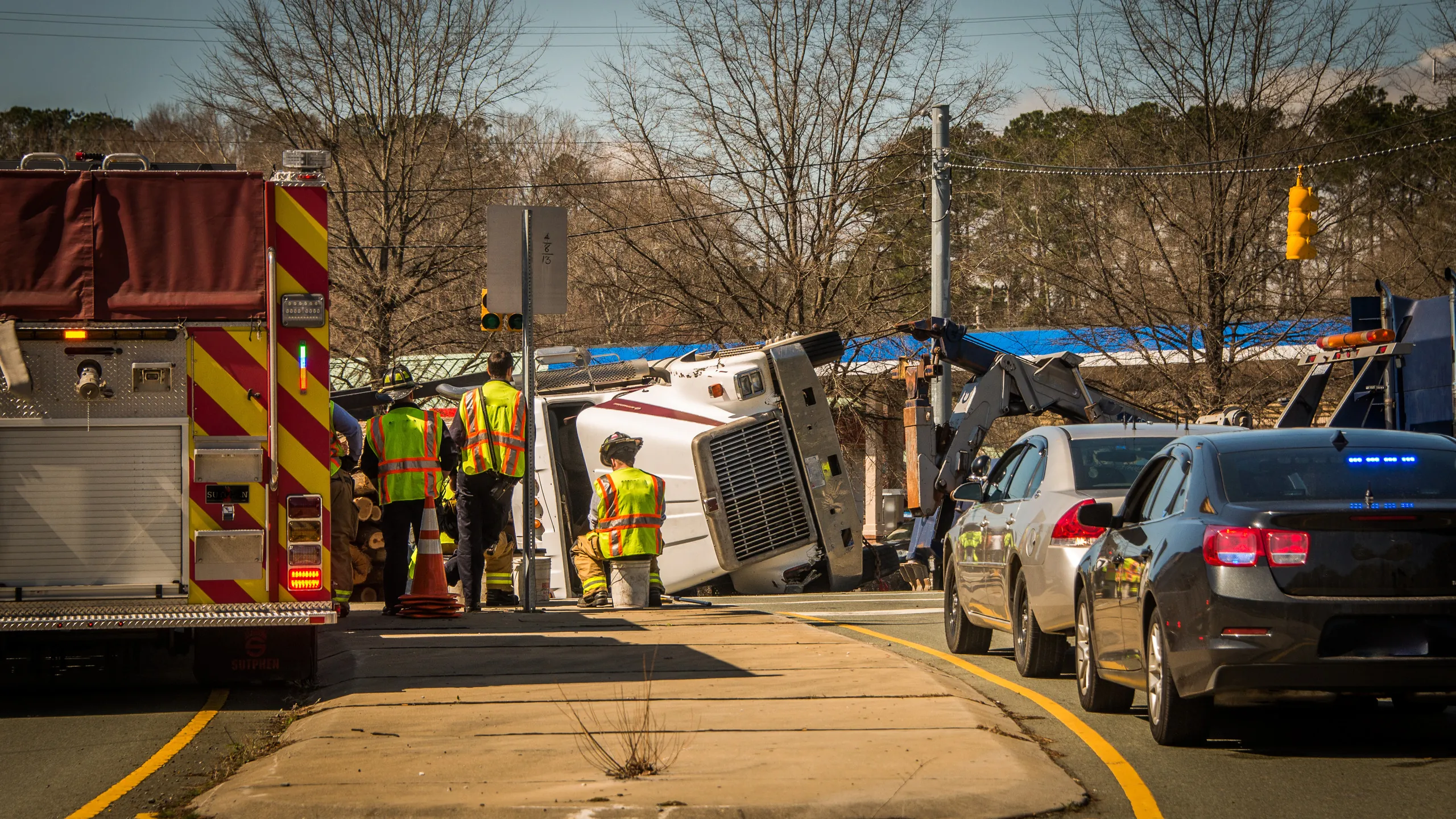
- Rollover accidents
- Rear-end crashes
- Underride collisions (where a smaller car slides underneath a truck)
- Multi-vehicle pileups
These types of crashes are far more complex and violent than typical car crashes, often leading to more widespread injuries, entrapment, or fatalities.
Types of Injuries Common in Truck Accidents
Spinal Cord Injuries
Spinal injuries are among the most severe outcomes of truck crashes. The sudden, jarring motion of a collision or the collapse of a vehicle’s frame can cause:
- Herniated discs
- Fractures to the vertebrae
- Nerve compression
- Partial or full paralysis
Spinal injuries often require multiple surgeries, months of physical therapy, and sometimes lifelong use of mobility aids. The emotional and financial toll can be overwhelming.
Traumatic Brain Injuries (TBIs)
Head trauma is also common in truck accidents, especially in collisions involving high-speed impact or vehicle intrusion. TBIs can range from concussions to severe brain damage, and symptoms may include:
- Memory loss
- Loss of coordination
- Mood changes
- Cognitive impairment
- Speech difficulties
Long-term brain injuries may prevent victims from returning to work or living independently. Treatment typically involves neurologists, therapists, and ongoing medical monitoring.
Internal Organ Damage
Truck crashes often involve blunt force trauma, which can cause damage to organs such as:
- The liver
- Kidneys
- Lungs
- Spleen
- Intestines
Internal injuries may not be immediately visible, making them especially dangerous if not diagnosed early. Emergency surgery is often required to prevent long-term health consequences.
Bone Fractures and Soft Tissue Injuries
The force of a truck collision frequently causes broken bones or crushing injuries. Victims often suffer from:
- Compound fractures
- Crushed limbs
- Joint dislocations
- Torn ligaments or tendons
These injuries can have long recovery timelines and often require surgery followed by extensive rehabilitation.
Factors That Contribute to Injury Severity
Underride Accidents
In underride collisions, a smaller vehicle becomes lodged underneath the trailer of a truck. These crashes are often deadly, especially for front-seat passengers. The car’s safety features like airbags and crumple zones are rendered useless in these situations.
Victims in underride crashes often suffer fatal head or neck trauma, or are trapped in crushed vehicles. Even when survivors make it out alive, the long-term injuries are often catastrophic.
Multi-Vehicle Collisions
Due to the size and stopping distance of trucks, one crash can easily turn into a chain reaction. In multi-vehicle pileups:
- Injuries are compounded by multiple impacts.
- Emergency responders may struggle to reach victims.
- There is an increased risk of fires or explosions.
This raises the injury risk exponentially and often overwhelms emergency services.
Delayed Stopping Time and Speed
Trucks take longer to stop than cars, which is especially dangerous on highways or during sudden traffic changes. When a truck rear-ends a smaller vehicle, the smaller car often absorbs the full impact of the crash, leading to severe whiplash, back injuries, or crushed vehicles.
Medical Recovery and Long-Term Rehabilitation
Emergency Medical Response
Immediately following a crash, victims may require:
- Ambulance transport
- Surgery
- Blood transfusions
- Mechanical ventilation
In critical cases, patients may be placed in medically induced comas or require life support.
Ongoing Treatment and Recovery
Recovering from truck crash injuries can take months or years. Common post-hospital treatments include:
- Physical therapy
- Occupational therapy
- Pain management
- Mental health counseling for trauma and PTSD
Family members may also become caregivers, altering home environments to accommodate disabilities.
Long-Term Financial Impact
Victims often face:
- Mounting medical bills
- Lost wages
- Cost of assistive devices or home modifications
- Lost earning potential due to disability
Even with insurance, the financial burden can be significant.
Legal and Insurance Considerations After a Truck Crash
Complex Liability in Truck Accidents
Unlike car accidents, truck crashes often involve multiple responsible parties, such as:
- The truck driver
- The trucking company
- A freight loading company
- Vehicle manufacturers
- Insurance carriers
Unraveling liability in a commercial truck crash may require expert legal analysis, accident reconstruction, and compliance investigations into federal trucking regulations.
Insurance Challenges
Because truck crashes often result in high payouts, insurers may:
- Delay claim processing
- Offer low settlements
- Blame the victim
- Claim pre-existing conditions
Understanding your rights and having experienced legal representation can make the difference between a denied claim and full compensation.
Legal Differences Between Truck and Car Claims
Truck accident claims involve unique regulations, such as those enforced by the Federal Motor Carrier Safety Administration (FMCSA). Legal actions may include:
- Claims for negligence or recklessness
- Violations of hours-of-service rules
- Poor vehicle maintenance records
- Improper driver training or licensing
Questions About Truck Accidents?GET A FREE CONSULTATION.
215-774-5162
Truck Crash Statistics and Injury Data
According to FMCSA data:
- Over 100,000 people are injured in truck accidents each year in the U.S.
- Truck crashes are 3 to 5 times more likely to result in severe injuries compared to car accidents.
- The Injury Severity Score (ISS), a measure used in trauma medicine, shows significantly higher ratings in commercial vehicle crashes.
These numbers underscore the importance of proactive legal and medical planning after such an event.
NOTABLE RESULTS
Fulginiti Law’s trucking results include:
$12,000,000 settlement · $9,000,000 settlement · $5,000,000 settlement
Read more about these results
- $12,000,000 settlement: Rear-end truck collision in Virginia; the case was maintained in Philadelphia. Case result source
- $9,000,000 settlement: Fatal truck collision involving evidence of driver fatigue. Case result source
- $5,000,000 settlement: Fatal collision involving debris falling from a passing truck on the Turnpike. Case result source
Prior results do not guarantee a similar outcome. Each case is different and must be evaluated on its own facts.
WHAT OUR CLIENTS SAY
General feedback about working with Fulginiti Law:
Ken and his team took great care of me when I was in need.
— Rob Roberts
One thing that stood out to me about Ken, he was very personable but extremely professional. They’ve never made us feel like clients; they’ve always made us feel like family.
— Jace and Nancy
Professional Recognition
Published Writings by Ken Fulginiti
- The One Piece of Evidence Nobody Appreciated — Ken Fulginiti, The Legal Intelligencer, June 25, 2026.
- Data Doesn’t Lie: What Trucking Crash Evidence Really Shows About Fault — Ken Fulginiti, The Legal Intelligencer (Law.com), July 21, 2026.
Frequently Asked Questions (FAQs)
Why do truck accidents cause more serious injuries than car crashes?
Truck accidents are more severe primarily due to the size and weight of the vehicles involved. The force generated by an 80,000-pound truck colliding with a smaller car greatly exceeds that of two cars crashing. As a result, passengers in the smaller vehicle are far more likely to suffer catastrophic or fatal injuries.
What kind of injuries are common in semi-truck collisions?
Semi-truck collisions often result in traumatic injuries such as spinal cord damage, traumatic brain injuries, broken bones, internal bleeding, and organ failure. These injuries frequently require emergency surgery, extended hospitalization, and long-term rehabilitation.
How is a truck accident claim different from a regular car accident claim?
Truck accident claims are legally more complex. They involve commercial policies, multiple liable parties, and federal trucking regulations. Additionally, the value of these claims is often much higher, which leads to more aggressive defense tactics from insurance companies and trucking firms.
Can I get compensation for emotional trauma after a truck crash?
Yes, emotional trauma such as PTSD, anxiety, and depression are compensable damages in many personal injury claims. You may be eligible for compensation covering therapy, medication, and the emotional toll the accident has taken on your life.
How long does it take to recover from a truck accident injury?
The recovery time depends on the type and severity of the injuries. Minor injuries may heal within a few months, but more serious conditions—like spinal damage or brain trauma—can take years to stabilize. Some victims may never fully recover and require lifelong care.
Final Thoughts: The Path to Recovery and Justice
Severe injuries from truck accidents change lives in an instant. From physical trauma to financial stress, victims face a challenging road. But with the right information, support systems, and legal guidance, recovery is possible — and justice can be pursued.
Contact Fulginiti Law Today
If you or a loved one has suffered serious injuries in a commercial truck accident, don’t wait to seek help. These cases are complex, and time is critical when gathering evidence and protecting your legal rights.
Contact our qualified truck accident attorney today. Your recovery matters. Legal guidance can help you reclaim control, secure financial relief, and begin the journey toward healing.
Related Practice Resources
Related Articles
- Commercial Trucking Regulations vs. Car Accident Laws: What Makes Truck Cases Unique
- How Employer Negligence Leads to Catastrophic Truck Accidents
- How Underride Accidents with Trucks Lead to Severe Injuries
- When the Truck Knows More Than the Driver: How AI and Data Are Rewriting Truck Accident Law
Ready to Discuss Your Truck Accidents Case?GET A FREE CONSULTATION.
215-774-5162


Related Fulginiti Law Videos and Social Posts