When a commercial truck is involved in a crash, the outcome can be devastating. Injuries are often severe, damages are significant, and determining liability becomes critical. In these high-stakes situations, evidence is everything. But what happens when that evidence goes missing?
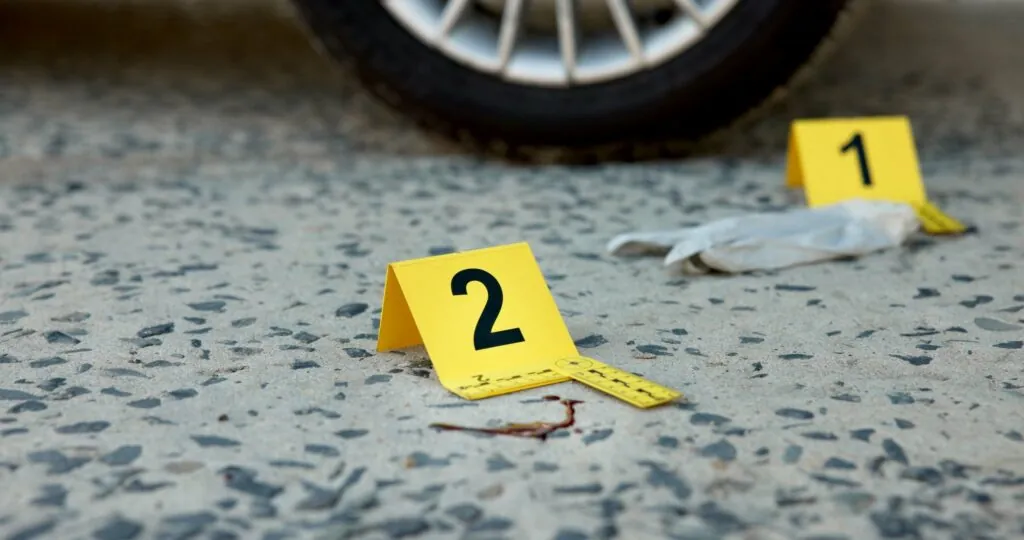
This is where the concept of spoliation of evidence becomes relevant—especially in Pennsylvania truck accident cases. Whether it’s deleted dash cam footage, lost black box data, or shredded driver logs, spoliation can greatly affect the outcome of your case.
This guide breaks down what spoliation is, how it occurs, the role of Pennsylvania law, what you can do if evidence disappears, and how courts respond when trucking companies fail to preserve crucial data.
Understanding Spoliation of Evidence
What Does “Spoliation” Mean?
Spoliation of evidence refers to the intentional or negligent destruction, alteration, or loss of evidence that may be critical to a legal case. In truck accident litigation, this includes any data or documentation that could help determine how and why the crash occurred.
Why It Matters in Truck Accident Cases
Truck accidents are complex, and the parties involved often include large trucking companies, insurers, and corporate defense attorneys. Victims must often fight to prove fault, and evidence like black box data or dash cam footage can make or break a claim. If that evidence is destroyed, victims may be unfairly disadvantaged—unless the court recognizes spoliation.
Key Types of Evidence in Truck Accident Cases
1. Black Box (ECM) Data
Most commercial trucks are equipped with an Electronic Control Module (ECM) or “black box” that records important data before and during a crash. This includes speed, braking activity, seatbelt usage, and more. If that data goes missing or is erased, it may be considered spoliation.
2. Dash Cam Footage
Dash cams are increasingly common in commercial vehicles. These cameras can provide real-time visual evidence of the road, traffic, and driver behavior. If a trucking company fails to preserve this footage, it could be detrimental to your case.
3. Driver Logbooks and Hours-of-Service Records
Federal law requires truck drivers to maintain logbooks that show how many hours they drive and rest. These records are essential for identifying violations of hours-of-service rules. Missing logs can indicate either negligence or a cover-up.
4. Inspection and Maintenance Records
Poor maintenance is a common cause of trucking accidents. If maintenance records are incomplete or suspiciously absent after a crash, it may point to spoliation and raise red flags in the investigation.
Why Trucking Evidence Goes Missing
Accidental Overwriting or Deletion
Some data systems—especially dash cams and black boxes—automatically overwrite data after a set number of hours or miles. If a trucking company doesn’t act quickly to preserve this information, it may be lost permanently.
Intentional Destruction
In more serious cases, evidence is deliberately deleted or withheld to protect the trucking company or the driver. This can include erasing video footage, altering driver logs, or throwing away paper documents.
Lack of Proper Preservation Procedures
Even if not malicious, companies may fail to follow correct procedures after an accident. Without a system in place to preserve data immediately after a crash, key evidence can be lost.
Pennsylvania Laws on Spoliation of Evidence
Legal Duty to Preserve Evidence
Under Pennsylvania law, once a party knows—or should know—that a legal claim is likely, they have a legal duty to preserve relevant evidence. This applies not only after a lawsuit is filed but also as soon as litigation becomes reasonably foreseeable.
What the Courts Expect
Pennsylvania courts expect parties to take reasonable steps to preserve evidence. This includes collecting digital data, safeguarding physical documents, and documenting the chain of custody for any evidence collected.
Chain of Custody Explained
A clear chain of custody shows who handled the evidence, when it was accessed, and how it was stored. If the trucking company can’t show this, it weakens their credibility and may support a spoliation claim.
Legal Consequences for Destroying Truck Accident Evidence
1. Adverse Inference Instructions
If spoliation is proven, a judge may instruct the jury to assume the missing evidence would have been unfavorable to the party who destroyed it. This can dramatically impact the jury’s verdict.
2. Monetary Sanctions
The court may fine the responsible party or require them to pay the opposing party’s legal costs due to the burden caused by the missing evidence.
3. Striking Defenses
The court might prohibit the at-fault party from using certain legal defenses, especially if their case relied on the missing evidence.
4. Default Judgment
In extreme cases—where spoliation is both intentional and egregious—the judge may rule in favor of the victim without a full trial.
What to Do If You Suspect Spoliation in Your Case
Step 1: Send a Preservation Letter
A preservation letter is a formal legal document sent to the trucking company and their insurer. It requests that they preserve specific pieces of evidence and puts them on legal notice that a claim is pending. This is your first line of defense against spoliation.
Step 2: Hire a Truck Accident Attorney
Time is critical. An experienced attorney can immediately begin investigating, subpoenaing documents, and ensuring that your legal rights are protected. They’ll also know how to challenge the admissibility of evidence or argue for sanctions if spoliation has occurred.
Step 3: Build a Case for Spoliation
To prove spoliation in Pennsylvania, your legal team must demonstrate:
- The evidence was relevant to the case.
- The defendant had a duty to preserve it.
- The evidence was lost or destroyed due to negligence or intentional conduct.
Examples of Spoliation in Pennsylvania Trucking Cases
Black Box Data Deleted
In one Pennsylvania case, black box data was claimed to be inaccessible. Upon further review, it was revealed that the data had been intentionally erased after the crash. The court sanctioned the trucking company and allowed an adverse inference instruction.
Logbooks “Misplaced”
In another case, driver logs conveniently went missing. The plaintiff’s legal team presented other documents (such as fuel receipts and GPS data) that showed the driver had exceeded legal hours. The court ruled that the missing logbooks supported a presumption of wrongdoing.
Frequently Asked Questions
What does it mean when evidence is “spoliated” in a truck accident case?
Spoliation occurs when relevant evidence is destroyed, altered, or not preserved—either intentionally or through negligence—after a party knows or should know that litigation is likely. In a truck accident case, this could involve deleted dash cam footage, overwritten black box data, or lost driver logbooks. Courts treat spoliation seriously because it can prevent a fair trial or distort the facts of the case.
If dash cam footage or black box data is deleted, can I still win my case?
Yes, you can still pursue a successful claim even if key evidence has been lost. Pennsylvania courts recognize the importance of this type of digital data, and if a judge determines that the trucking company failed to preserve it when they had a duty to do so, the court may allow the jury to assume that the missing evidence would have been unfavorable to that party. This is known as an “adverse inference,” and it can shift the case in your favor even without the actual data.
What is a preservation letter, and when should I send one?
A preservation letter is a formal written notice sent to a trucking company and its insurer, requesting them to preserve specific pieces of evidence after a crash. This includes items like black box data, dash cam footage, maintenance records, and logbooks. You should send a preservation letter as soon as possible after the accident, ideally through your attorney. Doing so puts the trucking company on legal notice, and if they fail to preserve the evidence afterward, you may have grounds for a spoliation claim.
Is it illegal for a trucking company to delete or lose evidence?
It is not necessarily criminal, but it can be a serious violation of civil law, especially when the trucking company has a legal obligation to preserve that evidence. If the court determines that evidence was destroyed deliberately or through gross negligence after a preservation duty had arisen, it may impose penalties, such as sanctions, fines, or even a default judgment. The law is designed to ensure fairness and accountability, and courts do not tolerate actions that compromise the legal process.
How do I prove that the trucking company destroyed or lost evidence?
Proving spoliation requires showing that the evidence in question was relevant to your case, that the opposing party had a duty to preserve it, and that the evidence was not maintained due to negligence or intentional conduct. Your attorney may use witness statements, internal documents, forensic experts, or circumstantial facts—such as contradictory records or sudden changes in documentation—to support this claim. Once the court is convinced that spoliation occurred, it can apply remedies to offset the harm caused by the missing data.
Take Action: Don’t Let Missing Evidence Hurt Your Case
Losing vital trucking evidence doesn’t automatically mean your case is over—but it does mean you need to act quickly and strategically. Pennsylvania courts understand how crucial black box data, logbooks, and dash cam recordings are to personal injury litigation. They offer remedies to protect victims—but only if you assert your rights in time.
If you’ve been involved in a truck accident and suspect that the trucking company deleted footage, misplaced records, or erased data, don’t wait. These are signs of spoliation, and your attorney can help hold the responsible party accountable.
Contact Fulginiti Law Today
Spoliation of evidence can dramatically shift the balance of a truck accident case. Fortunately, Pennsylvania law gives you powerful tools to fight back. But you can’t wait and hope for the best—you must act now.
Contact Fulginiti Law today for a free consultation. Protect your rights, uncover the truth, and secure the compensation you deserve.