The articles published on this platform have been thoroughly checked and reviewed for accuracy and reliability. However, while every effort is made to ensure the information is up-to-date and credible, we encourage readers to verify the details independently.
The articles published on this platform have been thoroughly checked and reviewed for accuracy and reliability. However, while every effort is made to ensure the information is up-to-date and credible, we encourage readers to verify the details independently.
Why You Can Trust Us
At Fulginiti Law, we are dedicated to providing exceptional legal services that make a real difference in the lives of our clients. With an unwavering dedication to justice and a heartfelt commitment to helping those in need, our experienced team of attorneys stands ready to advocate for you.
Traumatic brain injuries (TBIs) can upend a person’s life in an instant. I’ve seen firsthand how these injuries cause profound physical, cognitive, and emotional challenges—not only for the victims but for their families as well. If you or a loved one has suffered a TBI because someone else was negligent, you may be entitled to compensation that covers medical bills, lost income, emotional distress, and more. Navigating these claims is complex, and that’s where my experience as a Philadelphia traumatic brain injury lawyer makes all the difference.
Injured?
Fulginiti Law can review your traumatic brain injuries claim and explain the evidence, deadlines, and next steps that may apply.
A TBI happens when an external force damages the brain. This could be from a blow or jolt to the head—or an object penetrating the skull. Doctors divide TBIs into two broad categories: closed injuries, where the skull remains intact (as in most car accidents and falls), and penetrating injuries, where an object breaks through the skull and damages brain tissue directly.
TBIs are also graded by severity, usually with the Glasgow Coma Scale, which scores a patient’s eye, verbal, and motor responses:
Mild TBI (concussion): Brief loss of consciousness or disorientation. Most people recover, but a significant minority develop lasting post-concussion symptoms.
Moderate TBI: Loss of consciousness lasting minutes to hours, with confusion that can persist for days or weeks.
Severe TBI: Extended unconsciousness or coma. These injuries frequently cause permanent cognitive, physical, and behavioral disability and require lifelong care.
What makes brain injury cases uniquely difficult—both medically and legally—is that the damage is often invisible. A person can look fine and still be unable to concentrate, regulate emotions, or hold a job. Insurance companies exploit that invisibility, which is why these claims demand thorough medical proof.
Common Causes of TBIs
Car accidents: The leading cause of traumatic brain injuries. Even a “minor” rear-end collision can slam the brain against the inside of the skull.
Truck accidents: The sheer force involved in commercial truck crashes produces some of the most devastating brain injuries we see.
Slip and falls: Especially dangerous for seniors and children, and a frequent source of claims against property owners who fail to maintain safe premises.
Construction accidents: Falls from heights, falling objects, and equipment strikes make construction sites one of the highest-risk workplaces for head injury.
Workplace injuries: Common in construction and industrial jobs, where third-party contractors—not just employers—may share responsibility.
Sports accidents: Contact sports carry significant risk, and youth leagues, schools, and equipment makers can all face liability when safety rules are ignored.
Violence and assaults: Including domestic violence incidents and assaults on negligently secured premises.
Medical malpractice: Oxygen deprivation during birth or surgery, anesthesia errors, and missed diagnoses can all cause acquired brain injury.
Symptoms and Long-Term Effects
Brain injury symptoms do not always appear right away. It is common for serious symptoms to emerge hours or days after the trauma, which is why anyone who strikes their head should be evaluated promptly.
Mild TBI symptoms can include headaches, dizziness, confusion, temporary memory loss, sensitivity to light and noise, mood changes, and sleep disturbance. Moderate to severe injuries may involve vomiting, loss of coordination, seizures, agitation, slurred speech, weakness or numbness, and profound cognitive impairment.
Long-term effects often involve personality changes, emotional distress, depression, difficulty concentrating, and lasting disability. For severe injuries, victims may never return to work, may need around-the-clock supervision, and may require home modifications, all of which become part of the damages we pursue.
How TBIs Are Diagnosed
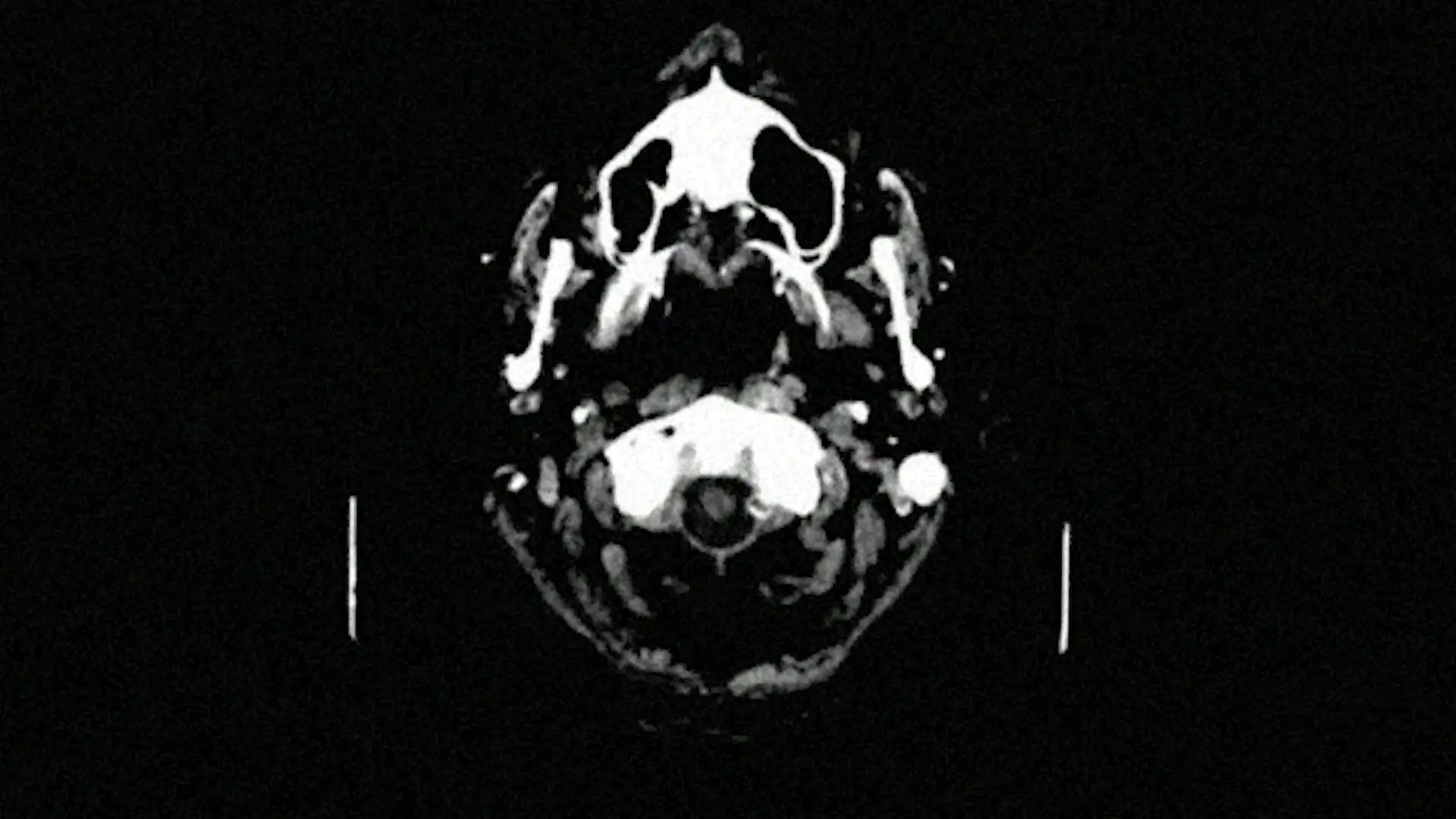
Proper diagnosis is the foundation of both treatment and a legal claim. Emergency rooms typically start with a neurological exam and a CT scan to rule out bleeding or swelling. But CT scans often miss the microscopic damage of a concussion, so further testing may include:
MRI and diffusion tensor imaging (DTI): More sensitive scans that can reveal subtle white-matter damage.
Neuropsychological testing: Standardized testing of memory, processing speed, and executive function, often compared against pre-injury baselines.
Ongoing symptom tracking: Documented follow-up with neurologists, neuropsychologists, and rehabilitation specialists.
From a legal standpoint, this diagnostic trail matters enormously. Gaps in treatment give insurance companies room to argue the injury was minor or unrelated. We work with our clients’ treating physicians to make sure the full picture is documented from day one.
Treatment and Rehabilitation
There is no single surgery or pill that fixes a brain injury. Treatment is a long process that may include emergency neurosurgery, inpatient rehabilitation, physical therapy, occupational therapy, speech and cognitive therapy, psychological counseling, and long-term medication management. Severe TBI survivors often transition to residential brain-injury programs and then to a lifetime of supported care.
Because recovery can take years—and some deficits are permanent—we retain life-care planners and medical economists who project the true lifetime cost of the injury. Settling before that cost is understood is one of the most damaging mistakes an injured person can make.
Why You Need a TBI Attorney
If your brain injury was caused by another party’s negligence, you have a legal right to seek compensation for:
Current and future medical bills
Rehabilitation and therapy costs
Lost wages and diminished earning capacity
Emotional distress and pain and suffering
Punitive damages when applicable
Insurance companies often try to downplay these claims—particularly mild and moderate TBIs, where the victim “looks fine.” That’s why having an experienced TBI lawyer on your side is critical. I know how to gather the evidence, work with medical experts, and push for the maximum compensation possible.
Types of Brain Injury Legal Claims
Severe brain trauma: Claims for lifelong medical care, home modifications, attendant care, and special education.
Concussion and post-concussion syndrome: Compensation for ongoing medical care, lost wages, and diminished quality of life when symptoms persist for months or years.
Wrongful death: If a TBI results in death, families can seek damages for funeral costs, loss of companionship, and emotional suffering.
Questions About a Traumatic Brain Injuries Claim?
Fulginiti Law can review the evidence, insurance issues, and next steps that may matter in your traumatic brain injuries claim.
Photographic or video evidence of injuries and accident scene
Brain injury cases typically require a deeper bench of experts than ordinary injury claims: neurologists and neuropsychologists to explain the injury, accident reconstructionists to show how the forces involved damaged the brain, vocational experts to quantify lost earning capacity, and life-care planners to price decades of future care. Medical experts will explain how your injury happened and its impact on your life, strengthening your claim.
Who May Be Liable for a Brain Injury
Liability often extends beyond the obvious defendant. Depending on how the injury happened, responsible parties can include a negligent driver, a trucking company, a property owner, a general contractor or subcontractor, an employer’s third-party vendor, a product manufacturer (defective helmets, airbags, or equipment), a bar or venue under dram-shop laws, or a medical provider. Identifying every liable party matters because brain injury damages are large—and a single defendant’s insurance is rarely enough.
Compensation and Settlements
Victims may recover damages for:
Medical expenses, surgeries, and rehabilitation
Lost income and long-term disability
Emotional distress and loss of enjoyment of life
Future care costs, home modifications, and attendant care
Loss of consortium for spouses
Brain injury settlements and verdicts are frequently among the largest in personal injury law because the harms are lifelong. We prepare every TBI case as if it will be tried—that preparation is what drives full-value settlements.
Pennsylvania and New Jersey Filing Deadlines
In Pennsylvania, you generally have two years from the date of injury to file a personal injury lawsuit (42 Pa.C.S. § 5524). New Jersey also generally allows two years (N.J.S.A. 2A:14-2). There are exceptions—claims against government entities have much shorter notice deadlines, and the discovery rule can extend the clock when an injury wasn’t immediately apparent, which happens often with brain injuries. Because missing a deadline ends the case permanently, speak with a lawyer as early as possible.
What to Do After a Suspected Brain Injury
Get medical attention immediately—even if you feel fine. Delayed symptoms are the norm, not the exception.
Follow all treatment recommendations and keep every appointment. Gaps in care hurt both recovery and claims.
Preserve evidence: photos of the scene, damaged equipment or vehicles, and contact information for witnesses.
Do not give a recorded statement to the other side’s insurer before speaking with a lawyer.
Call a brain injury lawyer early so evidence and expert evaluations are secured while they matter most.
Choosing the Right Traumatic Brain Injury Lawyer
Brain injury cases are not ordinary car-accident claims. Look for a lawyer with a record of handling catastrophic injuries, access to qualified medical and economic experts, and the willingness to take the case to trial. Ask how many brain injury cases the firm has handled and what those outcomes were. At Fulginiti Law, catastrophic injury—including traumatic brain injury—is the core of what we do.
Notable Results
Fulginiti Law has recovered significant verdicts and settlements for brain injury victims across Pennsylvania and New Jersey, including:
$9.9 Million · $6.5 Million · $6 Million
Read more about these results
$9.9 Million — Settlement
Ken and Sarah obtained a nearly $10 million settlement for a young man who fell from a stationary vehicle, falling only feet but resulting in a traumatic brain injury. The case was especially challenging as the plaintiff had no recollection of the day’s events and there were no witnesses.
$6.5 Million — Recovery
A $6.5 million recovery was obtained for a sewer worker who suffered significant orthopedic and traumatic brain injuries when a sewer pipe plug exploded. The failure was attributed to the defective design of the plug.
$6 Million — Policy Limits Settlement
A policy limits settlement was obtained for a reverend who suffered an arm amputation following a collision in New Jersey. Reverend Kelly had no recollection of the incident due to a brain injury; thorough investigation established the truck operator was driving in violation of the Federal Motor Carrier Safety Regulations, resulting in fatigue and operator error.
Prior results do not guarantee a similar outcome. Each case is different and must be evaluated on its own facts.
What Our Clients Say
Having seen his career end in a painful workplace accident, Chris found no path to justice dealing with other lawyers. Only when he found Fulginiti Law did Chris have hope and a sense that he could have a better future.
— Chris
I appreciated Ken and his team for their professionalism. Once they bring you on, you never feel anything less than 100% confident.
— Marcus
Dealing with Ken, I felt like I formed a friendship. I felt like everything was in good hands, and I felt comfortable with him. Words can’t describe how great I feel because I can actually move forward with my life when it comes to the things I want to do.
— Anthony
Frequently Asked Questions About Traumatic Brain Injury Lawsuits
What is the average settlement for a traumatic brain injury?
There is no true average—TBI outcomes range from modest settlements for fully resolved concussions to multi-million-dollar verdicts and settlements for severe injuries requiring lifelong care. The value depends on injury severity, permanency, lost earning capacity, and available insurance. Sources: Brain Injury Association of America (biausa.org); CDC TBI data (cdc.gov/traumaticbraininjury).
Can I sue for a concussion?
Yes. A concussion is a mild traumatic brain injury, and when someone else’s negligence caused it, you can pursue compensation—especially when post-concussion symptoms persist and affect work and daily life. Sources: CDC; Mayo Clinic concussion guidance.
How do you prove a brain injury the scans don’t show?
Through neuropsychological testing, documented symptom history, testimony from treating neurologists, and evidence of real-world functional decline—job performance, academic records, and testimony from family and coworkers. Sources: Brain Injury Association of America; American Congress of Rehabilitation Medicine.
How long do I have to file a brain injury lawsuit in Pennsylvania?
Generally two years from the date of injury under 42 Pa.C.S. § 5524, though exceptions can apply—particularly the discovery rule when symptoms emerged later. Sources: 42 Pa.C.S. § 5524.
How long do I have to file in New Jersey?
Generally two years from the date of injury under N.J.S.A. 2A:14-2, with similar exceptions for latent injuries and claims against public entities. Sources: N.J.S.A. 2A:14-2.
What if my TBI happened at work?
Workers’ compensation covers medical bills and partial wage loss, but it does not pay for pain and suffering—and it may not be your only remedy. Third-party claims against contractors, equipment makers, or property owners can provide full compensation. Sources: Pennsylvania Department of Labor & Industry; NJ Division of Workers’ Compensation.
Can family members recover anything?
Spouses can pursue loss-of-consortium claims for the impact on the marital relationship, and when a TBI is fatal, wrongful-death beneficiaries can recover funeral costs, lost support, and loss of companionship. Sources: 42 Pa.C.S. § 8301 (PA wrongful death); N.J.S.A. 2A:31-1 (NJ wrongful death).
How long does a TBI lawsuit take?
Often one to three years, because the full extent of a brain injury—and its lifetime cost—may not be clear for many months. Settling before maximum medical improvement risks leaving future care unfunded. Sources: Brain Injury Association of America.
What does it cost to hire a brain injury lawyer?
Fulginiti Law handles TBI cases on contingency—no fee unless we recover for you. The fee is a percentage of the recovery, discussed transparently before you sign anything.
Why are brain injury cases harder than other injury claims?
Because the injury is largely invisible, symptoms evolve over time, and the damages—decades of care and lost earnings—require complex expert proof. Insurers exploit all three. An experienced catastrophic-injury firm levels that playing field. Sources: CDC; Brain Injury Association of America.
Contact Fulginiti Law – Get a Free Consultation Today
If you or a loved one suffered a traumatic brain injury because of someone else’s negligence, call Fulginiti Law today for a free consultation. We’ll review what happened, explain your options, and—if we take your case—get to work building the expert-backed claim a brain injury deserves.
Ready to Talk About What Happened?
Tell Fulginiti Law what happened and get clear guidance about your injury claim and legal options.