Catastrophic injuries caused by defective products are among the most serious and life-altering incidents a consumer can experience. These injuries can disrupt every aspect of a person’s life—physically, emotionally, and financially. When these tragedies occur due to a defective or dangerous product, the legal system provides mechanisms for victims to seek justice and financial recovery. Understanding your rights and the avenues available for legal recourse is the first step toward regaining control.
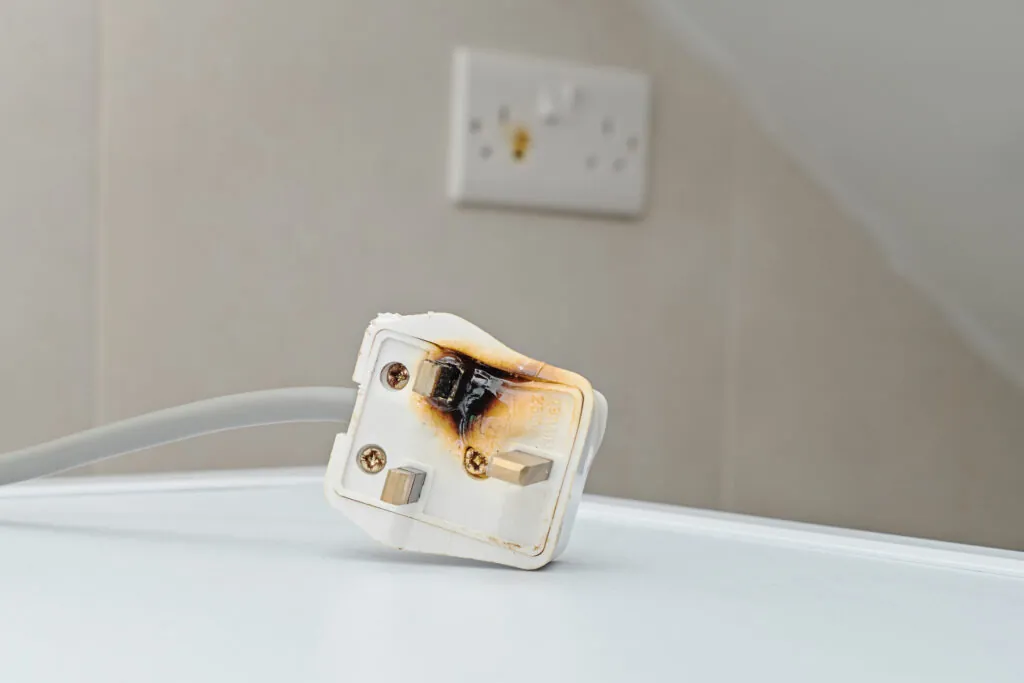
Whether it’s a spinal cord injury caused by a malfunctioning airbag or an amputation from unsafe machinery, the consequences of product failure can be devastating. This guide explores the legal landscape surrounding these cases and how injured consumers can pursue compensation.
Understanding Catastrophic Injuries in Product Liability
Catastrophic injuries are those that result in significant, long-term, or permanent impairment. They go beyond temporary harm and often require lifelong medical treatment, rehabilitation, or support. In legal terms, these injuries are more than severe—they are life-changing.
Examples of catastrophic injuries often linked to defective products include:
- Spinal cord injuries leading to partial or complete paralysis.
- Traumatic brain injuries that impair cognitive or motor functions.
- Amputations of limbs caused by industrial machinery malfunctions.
- Severe burn injuries from electronic devices or household appliances.
- Neurological damage from exposure to hazardous materials due to poor product design.
These injuries often demand not only immediate emergency medical care but also ongoing therapy, adaptive equipment, and in many cases, long-term caregiving. The cost of managing such injuries can be astronomical, making legal remedies essential.
Common Types of Defective Product Failures
Product liability cases typically fall into one of three categories: design defects, manufacturing defects, or failure to warn. Understanding these categories is crucial for identifying the legal basis of a lawsuit.
Design Defects
A design defect exists when a product is inherently unsafe due to its design, even if it is manufactured perfectly. For example, a mobility device that is prone to tipping over or a power tool lacking essential safety guards may function as intended but still pose unacceptable risks to users. These types of defects usually affect every unit produced and often lead to recalls.
In these cases, a plaintiff must prove that an alternative, safer design was possible and would not have made the product unreasonably expensive or reduced its utility.
Manufacturing Defects
These defects occur when a product is properly designed but is assembled incorrectly or with faulty materials, leading to a dangerous malfunction. A single defective part—like a cracked bolt in a pressure cooker—can turn a safe product into a hazardous one. Unlike design defects, manufacturing defects usually affect only a portion of the products in a production line.
Manufacturing defects often result in unexpected product failure, which can cause serious injuries in contexts where safety is paramount, such as construction sites or medical device usage.
Failure to Warn
Manufacturers and sellers are responsible for providing clear instructions and warnings about potential hazards associated with their products. If they fail to warn users about risks that aren’t obvious or fail to provide proper usage guidelines, they may be liable for resulting injuries.
For instance, if an industrial cleaning chemical lacks adequate labeling about the need for protective gear, or if a toy poses a choking hazard without appropriate warning labels, the manufacturer can be held accountable.
Legal Foundations of Product Liability
When a defective product causes injury, several legal doctrines may apply. Product liability claims are often pursued under the following theories:
Strict Liability
Strict liability allows injured parties to hold manufacturers or sellers responsible for defective products without needing to prove negligence. The plaintiff must only show that the product was defective, that the defect caused the injury, and that the product was being used as intended (or in a reasonably foreseeable way). This legal standard makes it easier for victims to pursue claims.
Negligence and Duty of Care
Alternatively, some claims are based on negligence. In these cases, the injured party must prove that the manufacturer failed to exercise reasonable care in the product’s design, manufacture, or warning labels. This often requires a detailed investigation into the company’s safety protocols and product testing.
Negligence-based claims may also be filed against distributors or retailers if they were aware—or should have been aware—of the product’s defect and failed to take appropriate action.
Steps to Take After a Catastrophic Injury
If you or a loved one has suffered a catastrophic injury due to a defective product, it is essential to act quickly and methodically:
- Seek immediate medical attention and follow all recommended treatment plans. Medical documentation is vital for your claim.
- Preserve the defective product. Do not attempt to repair or discard it, as it may serve as the most critical piece of evidence in your case.
- Document everything related to the incident. Take photos of the injury, keep receipts, and maintain a log of medical treatments, conversations with manufacturers, and other relevant interactions.
- Avoid speaking to the product manufacturer or insurance companies without legal representation.
- Contact an attorney who specializes in product liability and catastrophic injury law to evaluate your options and start building your case.
Filing a Product Liability Lawsuit
Filing a lawsuit involves a combination of legal knowledge, evidence gathering, and adherence to deadlines. Here are the core components:
Evidence Collection
Your legal team will gather product samples, medical records, expert analysis, and testimony from engineers or safety specialists. The goal is to establish that the defect directly caused your injury.
Proving Causation
It is not enough to show that a product was defective. You must prove that this specific defect was the direct cause of your injury. This often involves reconstructing the accident and showing how the defect contributed to the outcome.
Statute of Limitations
Every state has a time limit for filing product liability claims, typically ranging from two to three years from the date of injury or discovery of harm. Missing this window may result in forfeiting your right to pursue compensation.
Compensation and Damages
Victims of catastrophic product injuries may be eligible for substantial compensation covering:
- Past and future medical expenses, including surgery, hospitalization, physical therapy, and home healthcare.
- Lost wages during recovery and diminished future earning capacity due to disability.
- Pain and suffering, including emotional trauma, reduced quality of life, and psychological counseling.
- Punitive damages in cases of egregious misconduct by the manufacturer.
Each case is unique, and compensation depends on factors such as the severity of injury, the degree of product defectiveness, and the economic impact on the victim.
Real-Life Examples of Catastrophic Product Injuries
- A warehouse employee became paralyzed when a defective forklift malfunctioned during operation.
- A child suffered third-degree burns from an exploding battery in a toy tablet.
- An elderly user of a defective mobility scooter sustained a traumatic brain injury after the vehicle lost stability on a ramp.
These tragic stories demonstrate the real-world impact of product failures and underscore the importance of robust safety standards and legal accountability.
Frequently Asked Questions
Can I sue a company if I was injured by a defective product?
Yes, you can file a lawsuit if a defective product caused your injury. Product liability laws are specifically designed to hold manufacturers, designers, and retailers accountable when their products cause harm due to defects. The legal claim can be based on design defects, manufacturing defects, or a failure to warn consumers of potential risks.
What is the difference between a design defect and a manufacturing defect?
A design defect means that the product is inherently dangerous even when it is manufactured correctly. This affects every unit of the product line. In contrast, a manufacturing defect occurs when an error in the production process results in a specific unit being unsafe, even though the overall design is sound.
How do I prove that the defective product caused my injury?
Proving a defective product caused your injury involves presenting evidence such as the product itself, medical documentation, expert testimony, and photographs of the injury or damage. The goal is to demonstrate a direct connection between the defect and the harm you suffered, as well as showing that the product was used as intended.
What compensation can I receive for a catastrophic injury from a product?
Compensation can include economic damages like medical expenses, rehabilitation costs, and lost wages, as well as non-economic damages such as pain and suffering, emotional distress, and loss of quality of life. In cases of gross negligence, you may also be entitled to punitive damages intended to punish the manufacturer and deter future misconduct.
How long do I have to file a product liability claim?
The time limit for filing a product liability claim is called the statute of limitations and typically ranges from two to three years, depending on the state where the injury occurred. This clock usually starts on the date of the injury or the date you discovered that the injury was caused by the product.
Contact Fulginiti Law Today
Catastrophic injuries from defective products require immediate legal attention. If you or a loved one has suffered because a product malfunctioned, time is of the essence. Legal deadlines, evidence preservation, and insurance pressures can all affect your case. Don’t navigate this complex area alone—contact Fulginiti Law today for a free consultation to protect your rights and explore your options for justice and compensation.