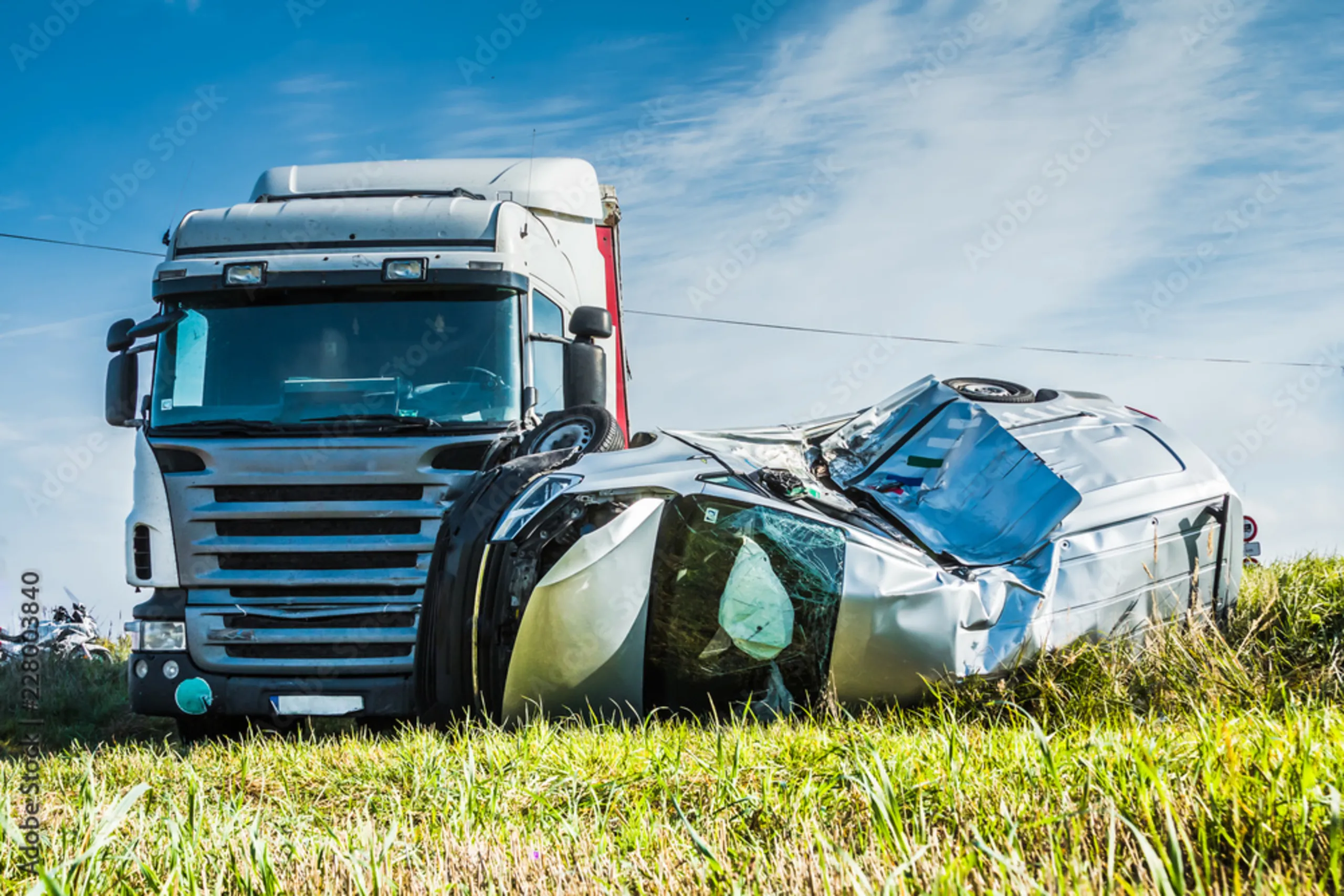
A collision with a tractor-trailer, delivery truck, dump truck, or other commercial vehicle can leave you facing emergency treatment, a damaged vehicle, lost income, and questions that an insurance adjuster may not answer clearly. At the same time, the trucking company and its insurers may already be investigating the crash and protecting their interests.
Deptford Township is in northern Gloucester County NJ, and Routes 42 and 55 are among the major roads crossing the area. Whether a collision occurs on a state highway, at a busy intersection, or along a local delivery route, determining what happened may require more than reviewing the drivers’ statements. (deptford-nj.org)
Fulginiti Law represents people with serious injuries arising from commercial-vehicle collisions. A truck accident attorney can investigate the driver, carrier, vehicle, cargo, and companies involved while you focus on medical care and rebuilding your daily life.
Call now
215-774-5162How a New Jersey Truck Accident Claim Works
A successful injury claim generally requires evidence that another person or company acted negligently and that the negligence caused your injuries and losses. In a commercial-truck case, that may involve unsafe driving, inadequate maintenance, unreasonable scheduling, improperly secured cargo, or another preventable problem.
Truck accident cases can be more complicated than ordinary two-car collisions because responsibility may extend beyond the person behind the wheel. Federal motor-carrier rules may apply to interstate carriers and certain commercial vehicles, while New Jersey traffic and insurance laws may also affect the claim.
PIP Benefits and a Claim Against the Responsible Parties
Depending on your status and insurance coverage, personal injury protection—usually called PIP—may pay covered medical expenses and certain other losses without regard to who caused the crash. A separate liability claim may allow you to pursue losses from the responsible driver, carrier, or another company.
Your auto policy’s lawsuit option may affect your ability to recover compensation for pain and suffering. The New Jersey Department of Banking and Insurance auto insurance guidance explains PIP coverage and the distinction between the limited and unlimited right-to-sue options. The effect of a particular policy should be evaluated based on its actual terms and the circumstances of the collision. (nj.gov)
Comparative Negligence
New Jersey allows responsibility for a collision to be divided among multiple parties. If the injured person is assigned part of the fault, any damages generally are reduced by that percentage. Recovery may be barred if the injured person’s share of negligence is greater than the negligence of the party or combined parties from whom recovery is sought. (lis.njleg.state.nj.us)
An insurer may argue that you changed lanes improperly, stopped suddenly, entered an intersection unsafely, or failed to avoid the truck. Those allegations should be compared with the physical evidence, witness accounts, electronic vehicle data, and applicable traffic rules rather than accepted at face value.
What to Do After a Truck Accident
Your health comes first. Once immediate medical needs are addressed, several practical steps can help protect both your recovery and your legal rights.
- Call 911 and report the crash. New Jersey law requires prompt notice to police when a crash causes injury, death, or more than $500 in damage to one person’s property. A separate written report is generally unnecessary when the investigating officer submits one. (lis.njleg.state.nj.us)
- Obtain appropriate medical care. Some injuries are immediately apparent, while symptoms associated with a concussion or other trauma may develop later. Follow the instructions of your health care providers and seek prompt professional attention for new or worsening symptoms.
- Document what you safely can. If your condition permits, photograph the vehicles, license plates, company markings, roadway, cargo, skid marks, traffic controls, and visible injuries. Do not enter traffic or another unsafe area to take pictures.
- Collect identifying information. Obtain the truck driver’s name, insurance details, employer or carrier name, license plate, and USDOT number if visible. Ask witnesses for their names and contact information.
- Notify your insurer without speculating about fault. Give accurate basic information, but do not guess about speed, distance, injuries, or who caused the collision. Consider getting advice before giving a recorded statement to another company’s insurer or signing a release.
- Preserve the vehicle and personal records. If possible, avoid authorizing destruction or disposal of your vehicle before it can be documented. Keep medical paperwork, bills, wage records, photographs, repair estimates, and communications with insurers.
- Request legal review early. Commercial-vehicle records may change or be overwritten, and vehicles can be repaired or returned to service. A lawyer can send appropriate preservation requests and begin identifying the businesses involved.
Who May Be Responsible?
The truck driver is only one possible party. A meaningful investigation asks who owned the vehicle, employed or supervised the driver, controlled the delivery, maintained the truck, loaded the cargo, and supplied any failed component.
Depending on the evidence, potentially responsible parties may include:
- The truck driver for speeding, distraction, impairment, unsafe lane changes, following too closely, or failing to account for road and traffic conditions.
- The motor carrier or trucking company if its policies, supervision, hiring, training, scheduling, or maintenance practices contributed to the crash.
- The truck or trailer owner when vehicle ownership and operational control are divided between different companies.
- A maintenance or repair provider if negligent inspection or repair contributed to a brake, tire, steering, lighting, or other mechanical failure.
- A shipper or loading company if improperly loaded or unsecured cargo shifted, spilled, or affected the truck’s stability.
- A manufacturer or seller if a defective truck, tire, component, or safety system contributed to the collision.
- A public entity, in limited circumstances, if a dangerous public-road condition or government vehicle may be involved.
No company is automatically liable merely because it appears on the truck, shipping documents, or insurance paperwork. Contracts, employment relationships, federal carrier records, and the companies’ actual control over the vehicle and work all may matter.
Claims involving the State, a county, a municipality, or another public entity may require a notice of claim within 90 days. Different procedures may apply depending on which public body is involved, so these cases warrant prompt review. (nj.gov)
Commercial-Truck Crashes and Serious Injuries
Truck accident claims can arise from rear-end collisions, sideswipes, intersection crashes, wide-turn accidents, underride incidents, jackknifes, rollovers, lost cargo, and crashes involving parked or disabled commercial vehicles. The central question is not the name given to the collision, but why it occurred and which conduct contributed to it.
The forces involved may cause:
- Head injuries and traumatic brain injuries
- Neck, back, and spinal cord injuries
- Fractures and crush injuries
- Internal injuries
- Burns, scarring, or disfigurement
- Amputations
- Psychological trauma
- Fatal injuries
The full effect of an injury is not always known immediately. Medical treatment, rehabilitation, work restrictions, future care, and the injury’s effect on daily activities may become clearer over time.
The CDC notes that concussion symptoms can appear immediately or develop hours or days later. A worsening headache, repeated vomiting, seizures, weakness, slurred speech, increasing confusion, unequal pupils, or an inability to wake the injured person are among the danger signs for which immediate emergency care is recommended. This information does not replace advice from a qualified medical professional. (cdc.gov)
Important Evidence in a Truck Accident Case
You are not expected to investigate a trucking company yourself. Tell your lawyer what you remember and preserve the materials already available to you. The most useful starting points often include:
- The police crash report and any citation information
- Photographs, videos, dashcam recordings, and witness details
- Medical records, work restrictions, bills, and proof of income loss
- The truck’s identifying information, including company markings and USDOT number
- Insurance communications, repair records, and photographs of your vehicle
A lawyer may seek additional material from the carrier and other businesses, including electronic logging records, event data, driver qualification records, dispatch communications, inspection and maintenance documents, cargo records, and available surveillance footage. Technical evidence must be evaluated in context; a regulatory violation, citation, or poor safety record does not by itself conclusively establish civil liability.
Call now
215-774-5162Compensation That May Be Available
The damages available depend on the nature of the injuries, insurance coverage, responsibility for the collision, and the evidence supporting each loss. A truck accident claim may include compensation for:
- Past and future medical expenses not otherwise covered
- Rehabilitation, therapy, medication, and medical equipment
- Lost wages and employment benefits
- Reduced future earning capacity
- Pain, suffering, and emotional distress
- Disability, scarring, or disfigurement
- Loss of normal activities and independence
- Vehicle damage and other property loss
- Appropriate wrongful-death or survival damages when a collision is fatal
Future losses should be evaluated carefully in cases involving permanent restrictions or continuing care. Accepting a settlement generally ends the claim, so the long-term medical and financial consequences should be considered before signing a release.
How Fulginiti Law Can Help
The purpose of an investigation is to determine why the crash happened and which individuals or companies may be legally responsible. Fulginiti Law can:
- Identify the motor carrier, vehicle owner, employer, loading company, and other involved businesses
- Seek preservation of vehicles, electronic data, logs, and company records
- Compare driver and carrier conduct with applicable safety requirements
- Review the police report, physical evidence, witness accounts, and available video
- Consult accident-reconstruction, trucking, medical, or financial professionals when appropriate
- Coordinate insurance benefits with claims against responsible parties
- Document current losses and the reasonably anticipated effects of serious injuries
- Negotiate with insurers and prepare the case for trial when necessary
Fulginiti Law reports more than $48 million in trucking accident verdicts and settlements and more than $115 million in catastrophic-injury recoveries. Every case depends on its own facts, and prior results do not guarantee a similar outcome. Learn more about the firm’s approach to truck accident litigation. (fulginiti-law.com)
Deadlines for New Jersey Truck Accident Claims
New Jersey’s general statute of limitations requires most personal-injury lawsuits to be filed within two years after the claim accrues. Exceptions can change how the deadline applies, and a potential claim against a public entity may require notice within 90 days. Insurance-policy notice requirements can create additional timing issues. Prompt review also helps preserve evidence even when the filing deadline is not close. (lis.njleg.state.nj.us)
Frequently Asked Questions About Deptford Truck Accidents
Do I have a case if the truck driver received no ticket?
Possibly. A traffic citation and a civil injury claim are separate matters. Police may not have access to company records, electronic logs, maintenance documents, or later-developed medical evidence when deciding whether to issue a ticket. The absence of a citation does not establish that every person or company acted reasonably.
What if I was partly responsible for the collision?
You may still have a claim under New Jersey’s comparative-negligence law. Your compensation may be reduced according to your percentage of responsibility and may be barred if your negligence exceeds that of the party or combined parties from whom you seek damages. The allocation of fault should be based on evidence rather than an adjuster’s initial opinion.
Should I speak with the trucking company’s insurer?
You should provide legally required and truthful information, but you do not have to speculate or accept an immediate settlement. Before giving a recorded statement, signing a broad medical authorization, or releasing your claim, consider learning who the insurer represents and how the request may affect your rights.
How much does it cost to contact Fulginiti Law?
Fulginiti Law offers free consultations and handles truck accident cases on a contingency-fee basis. There is no upfront attorney’s fee, and an attorney’s fee is owed only if the firm obtains a recovery, subject to the written fee agreement.
Helpful Government and Medical Resources
- New Jersey State Police Crash Report Requests: This portal allows members of the public to request an approved basic NJTR-1 crash report for non-toll roads and certain toll roads. More extensive materials from a serious or fatal investigation may require formal legal process. (njportal.com)
- New Jersey Auto Insurance Consumer Information: The Department of Banking and Insurance explains PIP benefits, auto-policy coverage, and lawsuit options. Reviewing the declarations page of the policy in effect on the crash date can help identify the available coverage. (nj.gov)
- FMCSA Company Snapshot: The Federal Motor Carrier Safety Administration allows users to search for a carrier by name, USDOT number, or MC number. The snapshot may help identify the carrier’s legal name and current federal record, although the information alone does not prove negligence. (safer.fmcsa.dot.gov)
- CDC Guidance on Concussion Symptoms: The CDC describes symptoms that can follow a head injury and danger signs requiring emergency attention. Anyone with medical concerns should consult an appropriate health care professional. (cdc.gov)
Other areas where we handle Truck Accident:
- Abington
- Bensalem
- Camden
- Cherry Hill
- Chester
- Coatesville
- Doylestown
- East Norriton
- Glassboro
- Gloucester
- Haverford
- King of Prussia
- Lansdale
- Levittown
- Lower Merion
- Media
- Middletown
- Mount Laurel
- Norristown
- Pennsauken
- Pottstown
- Upper Darby
- Voorhees
- West Chester
- Willingboro
Request a Free Deptford NJ Truck Accident Consultation
If you or a family member was seriously injured in a commercial-truck collision in Deptford NJ, Fulginiti Law can review the circumstances, explain how New Jersey insurance and negligence laws may apply, and investigate the driver, carrier, vehicle, cargo, and other companies involved.
Call 215-602-4204 or contact Fulginiti Law to request a free consultation. The firm can handle the investigation and insurance communications while you concentrate on treatment and recovery.
Call now
215-774-5162