Sports offer tremendous value in building character, discipline, and community. But when a serious injury occurs, especially one that causes permanent or life-altering damage, the consequences can be devastating for athletes and their families. These events, categorized as catastrophic sports injuries, bring not just medical emergencies but long-term financial, emotional, and legal consequences.
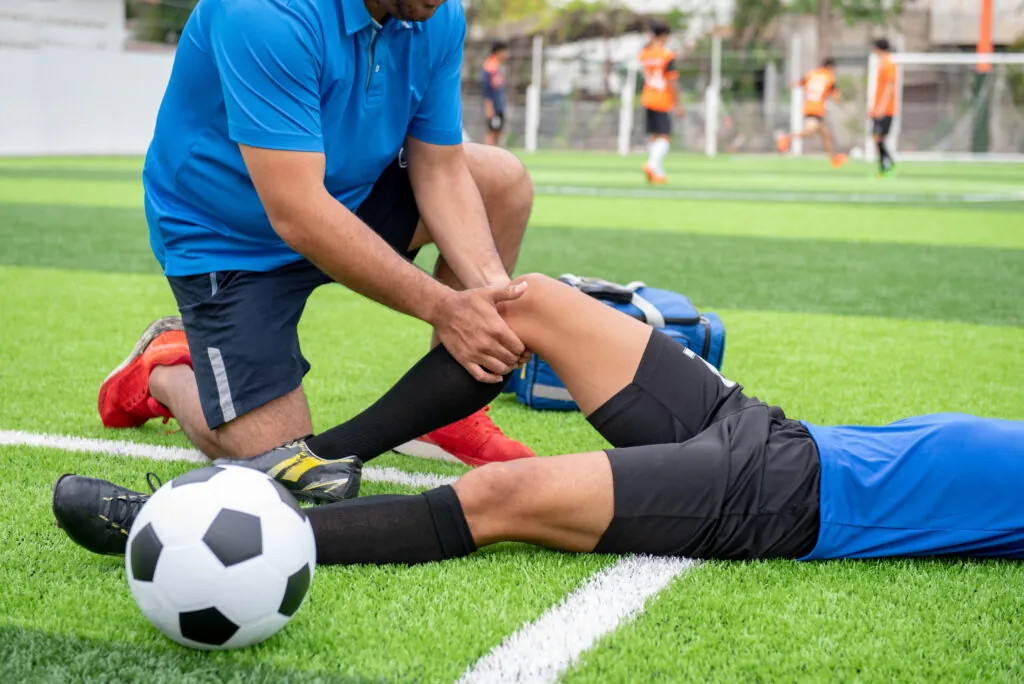
This guide explores what qualifies as a catastrophic injury, how legal liability is determined, what types of compensation may be available, and what steps victims and their families should take after such an incident.
What Is a Catastrophic Sports Injury?
A catastrophic sports injury is a severe injury that results in lasting physical damage, often leading to permanent disability or long-term impairment. These injuries are different from common sports-related incidents like sprains or minor fractures; they usually involve the brain, spinal cord, or vital organs and often result in permanent consequences for the athlete.
Common Examples of Catastrophic Injuries
Some of the most frequent catastrophic sports injuries include:
- Spinal cord injuries, which may lead to partial or full paralysis.
- Traumatic brain injuries (TBIs), which can impair memory, coordination, and cognitive function.
- Severe orthopedic injuries, such as multiple fractures that impair movement.
- Concussions with long-term neurological impact, especially common in contact sports.
- Organ damage from blunt-force trauma during high-impact activities.
Which Sports Pose the Highest Risk?
Contact sports like football, wrestling, rugby, and hockey are the most common settings for these types of injuries. However, any sport involving high velocity, impact, or risky movements can carry potential for catastrophic harm.
The Human and Financial Toll of Catastrophic Injuries
1. Emotional and Psychological Impact
Beyond the immediate pain, these injuries often carry lifelong psychological trauma. Many athletes experience a profound identity crisis when their sports careers end suddenly. Feelings of isolation, depression, and anxiety are common.
2. The Cost of Medical Care and Lifestyle Adjustments
Medical treatment for catastrophic injuries is expensive. Many victims require surgeries, extended hospital stays, physical and occupational therapy, and possibly round-the-clock care. In addition to the direct medical costs, there may be a need for significant lifestyle changes. These include home modifications, mobility equipment, or permanent personal care assistance.
3. Financial Consequences for the Athlete and Family
For student-athletes, a catastrophic injury may result in the loss of scholarships or the opportunity to pursue a professional career. Families often face overwhelming bills while trying to manage insurance claims, school withdrawal processes, and emotional recovery—all at the same time.
Do You Have Legal Grounds to Sue?
Understanding Assumption of Risk
Participation in sports inherently carries some risk. Athletes typically sign waivers acknowledging that they understand the possibility of injury. However, these waivers do not offer blanket protection for everyone involved.
When Legal Action Is Justified
Legal grounds for a lawsuit exist when the injury is due to negligence, reckless conduct, or intentional harm. For example, if a coach ignores signs of concussion and sends the athlete back onto the field, that could be considered negligent. Similarly, if a sports facility fails to maintain safe playing conditions or provides faulty equipment, it could also be held accountable.
In these cases, you may have the right to seek compensation through a lawsuit or settlement, especially if the party at fault acted with disregard for the athlete’s safety.
Are Sports Waivers Legally Binding?
What Sports Waivers Cover—and What They Don’t
Most sports organizations and schools require athletes or their guardians to sign waivers before participation. These waivers are designed to protect the institution from lawsuits arising from routine accidents.
However, waivers typically do not protect organizations from legal action when gross negligence or reckless behavior is involved. If a school or coach failed to follow safety protocols or knowingly exposed an athlete to danger, the waiver may not hold up in court.
Legal Exceptions for Minors
In cases involving minors, courts often scrutinize the validity of waivers more closely. A parent’s signature may not waive a child’s right to legal recourse, particularly in the context of school-sponsored sports.
Who Can Be Held Liable for a Catastrophic Injury?
Potentially Responsible Parties
Several individuals and entities may be held liable depending on the circumstances of the injury. These can include:
- Coaches and Athletic Staff, who are responsible for maintaining safety and following protocols.
- Schools and Colleges, which must ensure proper training, equipment, and emergency response systems are in place.
- Sports Leagues and Associations, which may enforce or overlook rules that contribute to unsafe play.
- Equipment Manufacturers, if the injury resulted from defective gear.
- Event Organizers or Venue Owners, especially if environmental hazards were a factor.
Legal Complexity in Liability Claims
Often, liability doesn’t rest on a single party. Lawsuits frequently involve multiple defendants, and proving who was at fault requires extensive investigation and expert testimony. This is why legal guidance is essential.
How Compensation Works in Catastrophic Injury Cases
Types of Damages You Can Pursue
If you succeed in proving liability, you may be entitled to substantial financial compensation. Damages in sports injury lawsuits often include:
- Medical expenses, including future treatments or long-term care.
- Lost income or diminished earning potential, especially relevant for collegiate and pro athletes.
- Pain and suffering, accounting for emotional trauma and reduced quality of life.
- Costs related to disability, such as home modifications, medical equipment, or caregiving.
- Punitive damages, in cases involving gross misconduct or recklessness.
Typical Compensation Amounts
The value of compensation varies based on the injury’s severity and the victim’s age and earning potential. For example, spinal cord injuries can result in settlements exceeding $5 million, while traumatic brain injuries typically range from $250,000 to several million dollars. These numbers reflect the long-term impact of the injury and the scope of the recovery process.
Special Considerations for High School and College Athletes
Legal Protections for Minors
High school athletes are typically minors, and schools have a legal duty of care to ensure their safety. If a student is injured due to a coach’s or school’s negligence, parents have the right to sue on the child’s behalf. Many states also provide extended filing timelines for minors.
NCAA Athletes and Institutional Accountability
College athletes face different challenges. Although they’re considered adults, the institutions that govern their sports—like the NCAA—can still be held accountable for ignoring protocols or fostering unsafe environments. Legal cases against colleges have increased, especially those involving concussions and long-term brain damage. In some instances, gender-based legal protections like Title IX may also apply if schools provided inadequate medical resources for female athletes.
What To Do After a Catastrophic Injury
Immediate Steps to Protect Your Rights
After an injury, the most important priority is receiving medical treatment. Once the athlete is stable, begin documenting everything. Collect medical records, photographs, eyewitness accounts, and any video footage of the incident.
Do not sign any post-injury documents or statements without legal review. Preserve any gear involved in the injury—it may serve as key evidence later.
Timing Is Critical
Most states have a statute of limitations for filing personal injury claims, typically ranging from one to three years. However, some exceptions exist for minors or government institutions, so acting quickly is crucial to preserve your legal options.
Frequently Asked Questions
Can I sue if I was paralyzed during a football game?
Yes, you may be able to file a lawsuit if your paralysis was caused by negligence, reckless conduct, or failure to follow safety protocols during the game. This includes situations where coaches ignored visible signs of injury, allowed unsafe conditions on the field, or failed to provide proper medical attention. Whether the injury occurred during an official match or a practice session, liability may still apply if someone in a position of responsibility contributed to the harm through inaction or poor decision-making.
What are my legal rights after a catastrophic sports injury?
Your legal rights after a catastrophic injury may include the ability to seek compensation for medical expenses, lost income, ongoing care, and pain and suffering. You also have the right to pursue justice through a civil lawsuit if your injury resulted from the negligence of a coach, school, athletic organization, or equipment manufacturer. Additionally, minors and college athletes may have special legal protections that enhance their ability to file claims, especially if the institution involved failed to implement or enforce safety policies.
How much is a spinal cord injury lawsuit worth in a sports-related case?
The value of a spinal cord injury lawsuit depends on several factors, including the severity of the injury, the long-term medical needs of the victim, the degree of negligence involved, and the victim’s age and earning potential. In many cases, spinal cord injury settlements can range from hundreds of thousands to several million dollars. If the injury results in full or partial paralysis, damages may include compensation for permanent disability, home modifications, assistive devices, and lifetime care.
Who is liable for a concussion sustained in high school sports?
Liability for a concussion may rest with the coach, athletic trainer, school district, or the sports league overseeing the event. If concussion protocols were ignored, delayed, or improperly administered, the parties responsible for enforcing those safety measures may be legally accountable. Schools have a duty of care to protect student-athletes from foreseeable harm, and failure to remove a student from play or to secure medical evaluation can lead to serious legal consequences.
Do sports waivers prevent lawsuits for catastrophic injuries?
Sports waivers may reduce liability for general risks associated with athletic participation, but they do not offer absolute legal protection. In cases involving gross negligence, recklessness, or willful misconduct, courts often find such waivers unenforceable. This is especially true when minors are involved, as courts apply a higher standard of care and are more likely to reject waivers signed on behalf of children. If the injury occurred because of unsafe conditions, failure to follow safety rules, or inappropriate behavior by a responsible adult, the waiver may not prevent a lawsuit.
Conclusion: Stand Up for Your Rights
Suffering a catastrophic injury during a sporting event is a life-altering event—but it doesn’t have to mean a life without justice. You or your loved one may be entitled to compensation, and those responsible can be held accountable. Whether you’re navigating the aftermath of a spinal cord injury, traumatic brain trauma, or another severe incident, understanding your legal rights is the first step toward recovery.
Contact Fulginiti Law Today
If you or a loved one has suffered a catastrophic sports injury, you should not face the legal system alone. Contact an experienced personal injury attorney who specializes in sports-related injuries. A qualified lawyer will help evaluate your case, guide you through the claims process, and ensure you receive the compensation you deserve.
Justice isn’t automatic—it’s something you pursue. Take the first step. Contact Fulginiti Law today for a free consultation.