
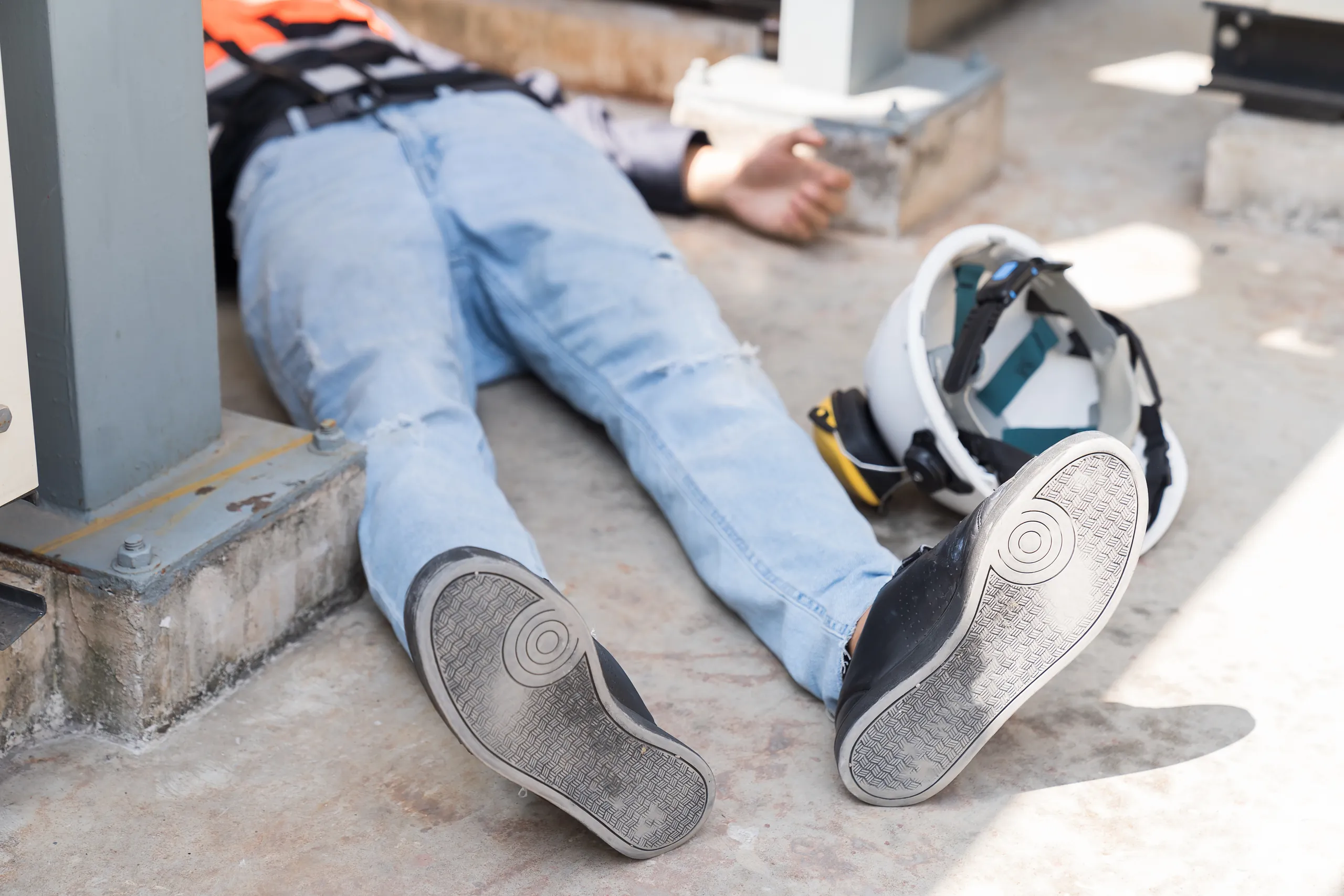
Construction sites are among the most hazardous work environments in the U.S. With heavy machinery, elevated platforms, power tools, and constantly shifting materials, the potential for serious injury is high. For construction workers, an accident doesn’t just mean pain—it often brings lost wages, long-term health concerns, and legal complexity.
If you’ve been injured on a job site, it’s essential to understand your legal rights and take immediate action. This guide outlines what steps to take after an injury, the legal options available, how to file a claim, and when to seek legal representation.
Need Help With Construction Injuries?GET A FREE CONSULTATION.
215-774-5162
Understanding Your Legal Options After a Job Site Accident
After a construction accident, most workers have two primary legal pathways: filing for workers’ compensation or pursuing a personal injury lawsuit. These are fundamentally different, and knowing which applies to your case is key to protecting your rights.
Workers’ Compensation Basics
Workers’ compensation is a no-fault insurance system that covers employees injured on the job. It is designed to provide quick and basic financial support, including:
- Medical expenses
- Partial wage replacement
- Rehabilitation services
- Disability benefits (temporary or permanent)
To qualify, you must be classified as an employee and the injury must have occurred during the scope of your work duties. Workers’ comp does not require you to prove that anyone was at fault. However, in exchange for these benefits, you typically cannot sue your employer, even if their negligence played a role.
When Personal Injury Lawsuits Apply
If a third party—not your employer—was responsible for your accident, you may have the right to file a personal injury lawsuit. This can result in much broader compensation, such as:
- Full wage loss
- Pain and suffering damages
- Loss of future earning capacity
- Punitive damages in extreme cases
Common third-party defendants in construction cases include subcontractors, site owners, equipment manufacturers, or vendors.
Immediate Steps to Take After a Construction Injury
After any workplace injury, your actions in the first hours and days can heavily influence the outcome of your legal claim. Delays or mistakes may lead to claim denials or weakened lawsuits.
1. Get Medical Attention Right Away
Even if your injury seems minor, you should seek immediate medical care. Certain injuries—such as back trauma, internal bleeding, or brain injuries—may not show symptoms for hours or even days. A prompt medical evaluation:
- Documents the injury for legal and insurance purposes
- Prevents complications by addressing hidden injuries early
- Protects your health and helps establish causation
2. Report the Injury to Your Employer
Each state has specific reporting deadlines for workers’ comp claims. In many cases, you must notify your employer within 30 days of the accident—or even sooner. Failure to report in time may disqualify you from receiving benefits.
- Always file a written report
- Keep a copy for your records
- Ask for confirmation or a case number from your employer or HR department
3. Document the Incident and Evidence
Construction sites change daily. If you don’t preserve evidence quickly, it may be lost forever. You should:
- Take photographs or video of the area where the injury occurred
- Capture images of tools, equipment, or hazardous conditions
- Identify and speak with any eyewitnesses
- Save copies of your medical records and official injury report
These steps can significantly strengthen your case, whether you’re pursuing a workers’ comp claim or a third-party lawsuit.
Legal Deadlines and Filing Timelines
One of the most critical elements in any workplace injury case is timing. Both workers’ compensation and personal injury claims come with strict deadlines—missing one could mean losing your legal rights permanently.
Workers’ Compensation Deadlines
Each state has its own statute of limitations and reporting requirements for filing workers’ comp claims. Typically, you must:
- Report the injury to your employer within 30 days (varies by state)
- File a formal workers’ comp claim within 1 to 2 years of the injury
Check with your state’s Department of Labor or a qualified attorney for your specific deadlines.
Deadlines for Filing a Lawsuit
For a personal injury lawsuit related to a construction accident, the statute of limitations generally ranges from 1 to 4 years, depending on the state. However:
- Time usually starts from the date of the accident
- Exceptions may apply for delayed symptoms or discovery of negligence
- Minors or individuals with mental incapacity may have extended timelines
A lawyer can help ensure your claim is filed within all applicable deadlines.
What About Delayed Injuries?
Some injuries don’t become apparent until hours or days after the accident. These might include:
- Soft tissue damage
- Concussions or internal trauma
- Psychological injuries like PTSD
If this applies to you, it’s crucial to document new symptoms as soon as they appear and notify your employer immediately. Delayed reporting can complicate or reduce your benefits but may still be valid if handled properly.
When to Contact a Construction Accident Attorney
While some workers attempt to navigate the claims process on their own, doing so can be risky—especially in cases involving severe injuries, lost wages, or disputed liability.
Signs You Need Legal Help Immediately
You should speak with a lawyer right away if:
- Your employer denies your claim or disputes that the injury happened at work
- You’re being pressured to return to work before you’re ready
- You suspect faulty equipment or unsafe conditions were involved
- A third-party (not your employer) contributed to the accident
- You’re offered a low settlement or no compensation at all
How a Lawyer Can Help
Construction accident attorneys have the experience to:
- Investigate and identify liable parties
- Secure and preserve critical job site evidence
- Negotiate with insurance companies on your behalf
- Represent you in hearings or court
- Ensure you meet all deadlines and legal requirements
In many cases, legal consultations are free, and attorneys work on a contingency fee basis, meaning you pay nothing unless you win.
Common Types of Construction Accidents and Liability Issues
Understanding the type of accident can help determine who is liable and what kind of claim you may have.
Scaffolding Falls
Falls from heights are a leading cause of fatalities in construction. If scaffolding was improperly assembled or workers were not given safety gear, the site supervisor or equipment supplier may be at fault.
Machinery Accidents
Injuries from cranes, forklifts, or other heavy machinery may be due to poor maintenance, lack of training, or manufacturing defects—often opening the door to a third-party claim.
Falling Objects
Injuries caused by tools or debris falling from above can result in serious head or spine trauma. These often stem from lack of protective barriers or poor planning.
Electrical Accidents
Exposed wires, faulty lockout/tagout procedures, or equipment malfunction can result in burns or electrocution, often due to gross negligence or equipment defects.
Questions About Construction Injuries?GET A FREE CONSULTATION.
215-774-5162
NOTABLE RESULTS
Broader construction-practice results reported by Fulginiti Law:
$19,200,000 settlement · $7,000,001 settlement · $6,500,000 verdict
Read more about these results
- $19,200,000 settlement: Crane operation caused a dropped beam and paralysis. Case result source
- $7,000,001 settlement: Drywall finisher fell through an unguarded floor opening. Case result source
- $6,500,000 verdict: Ladder-collapse injury case. Case result source
Prior results do not guarantee a similar outcome. Each case is different and must be evaluated on its own facts.
WHAT OUR CLIENTS SAY
General feedback about working with Fulginiti Law:
Ken worked tirelessly along with Sarah and staff as they were always available to answer my questions or concerns…
— Bob Donnelly
One thing that stood out to me about Ken, he was very personable but extremely professional. They’ve never made us feel like clients; they’ve always made us feel like family.
— Jace and Nancy
Professional Recognition
Published Writings by Ken Fulginiti
- Construction Accidents and Handling the OSHA Investigation — Ken Fulginiti and Sarah F. Dooley, The Legal Intelligencer, August 12, 2020.
- Hard Hats Don’t Stop Corporate Negligence — Ken Fulginiti, The Legal Intelligencer, April 23, 2026.
- Why High-Rise Construction Carries Higher Liability Risk — Ken Fulginiti, Construction Dive, April 9, 2026.
- Why OSHA Standards Shouldn’t Be the High-Water Mark for Contractor Safety — Ken Fulginiti, Construction Dive, January 15, 2026.
Frequently Asked Questions (FAQs)
Can I sue my employer if I get hurt on a construction site?
In most cases, no. Workers’ compensation laws protect employers from direct lawsuits. However, you may have the right to sue a third party if they contributed to your injury. This includes subcontractors, manufacturers, or property owners. An attorney can help determine whether an exception applies in your case.
What if I didn’t report my injury right away?
Delays in reporting can hurt your claim, but all is not lost. If you have medical documentation and a valid explanation—such as delayed symptoms—some states allow exceptions. Still, it’s critical to report injuries as soon as possible and to consult an attorney to navigate the complexities.
Can I get compensation for pain and suffering?
Workers’ compensation generally does not cover pain and suffering—it only reimburses for medical bills and lost wages. However, if you pursue a personal injury lawsuit due to third-party negligence, you may be eligible for non-economic damages like pain and suffering, emotional distress, and reduced quality of life.
How do I know if a third party is responsible?
Liability isn’t always obvious. For example, if a defective tool caused your injury or another contractor’s negligence created a safety hazard, they may be legally responsible. A lawyer can investigate the site, interview witnesses, and determine whether a third-party claim is appropriate.
Should I speak to HR before calling a lawyer?
It’s best to consult a lawyer first. HR departments are there to protect the company’s interests, not yours. Statements made to HR can be used against you, especially if your injury is being disputed. A lawyer can guide you on what to say and help you avoid mistakes that could harm your case.
Final Thoughts: Protect Your Future by Taking Legal Action Now
Suffering a construction site injury is a traumatic and often life-changing experience. Between medical bills, missed income, and long recovery times, the consequences can be overwhelming. The legal process may seem complicated, but understanding your rights and taking action quickly can make all the difference.
Whether you’re pursuing a workers’ compensation claim or considering a third-party lawsuit, consulting an attorney early is one of the most important steps you can take.
Contact Fulginiti Law Today
If you’ve been injured on the job, don’t wait. Legal deadlines may be closer than you think. Reach out to Fulginiti Law today to evaluate your case, protect your rights, and pursue the compensation you deserve.
Related Practice Resources
Related Articles
- Electrocution on Construction Sites: Pennsylvania Legal Perspectives
- Ladder Accidents on Construction Sites: Pennsylvania Legal Remedies
- Tripping and Slipping Accidents on Pennsylvania Construction Sites
Ready to Discuss Your Construction Injuries Case?GET A FREE CONSULTATION.
215-774-5162


Related Fulginiti Law Videos and Social Posts