Spinal cord injuries (SCI) are catastrophic events that initiate a lifelong process of medical care, adaptation, and psychological resilience. While emergency and acute care interventions often receive the most attention, what happens in the months and years following the injury is equally significant.
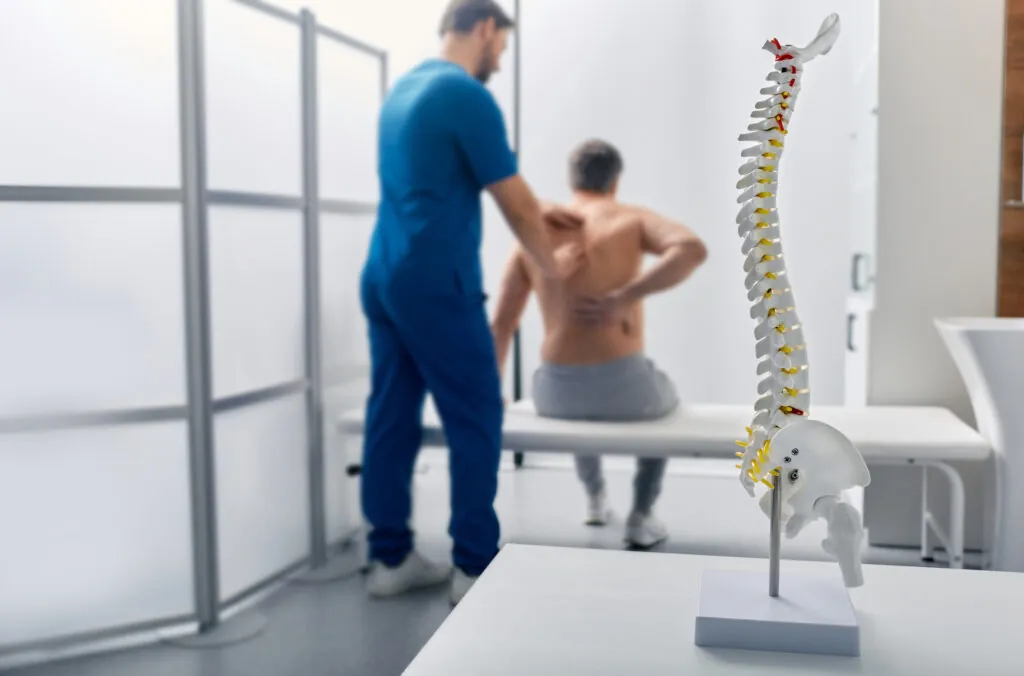
The long-term effects of SCI are complex and multifaceted, impacting every aspect of an individual’s physical and emotional well-being. This guide explores chronic outcomes and complications of SCI, offering clarity on what survivors, caregivers, and healthcare professionals can expect long after the injury.
What Happens Years After a Spinal Cord Injury?
Recovery Doesn’t End at Rehab
The aftermath of spinal cord injury extends far beyond the initial trauma and rehabilitation period. Many survivors experience a phenomenon known as a “functional plateau,” where physical recovery reaches a peak and then levels off.
New Symptoms Can Appear
However, new symptoms may emerge over time due to changes in the nervous system, decreased mobility, or the aging process. These can include:
- Increased muscle stiffness
- Neuropathic pain
- Bladder and bowel dysfunction
- Development of secondary complications such as pressure sores or respiratory issues
Aging Complicates the Picture
As SCI patients age, they become more vulnerable to infections, bone fractures, and fatigue. The chronic phase of SCI is not static—it evolves, and proactive management is necessary to maintain health and independence.
Chronic Complications in Long-Term SCI Survivors
1. Neurogenic Bladder Dysfunction
Neurogenic bladder occurs when the nerves controlling the bladder are damaged, resulting in a loss of voluntary control. Many individuals with SCI experience frequent urinary tract infections, kidney complications, and social embarrassment.
Common treatments include:
- Clean intermittent catheterization
- Anticholinergic medications
- Botox injections
- Surgical diversions (such as suprapubic catheter placement)
2. Bowel Dysfunction and Its Impact
Bowel dysfunction can be equally disruptive. SCI survivors may rely on a regimented bowel program involving laxatives, suppositories, digital stimulation, or manual evacuation. Poor bowel management can lead to discomfort, impaction, and even autonomic dysreflexia.
3. Spasticity and Chronic Pain
Spasticity is the involuntary tightening or stiffness of muscles. It can interfere with mobility, sleep, and comfort. While some spasticity may be helpful for posture or circulation, excessive spasticity can cause joint deformities or chronic pain.
Chronic pain is another frequent complication, often neuropathic in nature. It may present as burning, stabbing, or tingling sensations and can be resistant to conventional pain medications.
Management strategies include:
- Oral medications like baclofen or gabapentin
- Physical therapy and regular stretching
- Botulinum toxin injections
- Intrathecal pumps in severe cases
4. Pressure Sores and Skin Health
Pressure ulcers are a persistent risk due to immobility and reduced sensation. These ulcers usually form on bony prominences and can escalate quickly if not addressed.
Prevention includes:
- Regular repositioning
- Use of specialized cushions and mattresses
- Daily skin inspections
- Proper hygiene and nutrition
In severe cases, pressure ulcers may require debridement, skin grafts, or hospitalization.
The Psychological and Emotional Toll
Mental Health After SCI
The psychological impact of SCI is profound and often under-addressed. Depression, anxiety, and post-traumatic stress disorder (PTSD) are common. Many individuals struggle with the loss of independence, changes in relationships, and identity shifts.
The Role of Social Support
Social isolation and unemployment further exacerbate emotional stress. Without adequate support systems, SCI survivors may find it challenging to maintain motivation or engage in long-term rehabilitation.
Helpful interventions include:
- Counseling or psychotherapy
- Peer support groups
- Psychiatric medication when appropriate
- Family education and involvement
Aging with SCI: Functional Decline and Added Risk
Compounding Effects of Aging
SCI accelerates many aspects of biological aging. Muscle atrophy, cardiovascular changes, and joint deterioration can all occur at faster rates.
Bone density loss (osteoporosis) is especially concerning, as it raises the risk of fractures—even from minor movements or falls.
Managing Chronic Conditions
SCI survivors also experience higher rates of:
- Diabetes
- Cardiovascular disease
- Respiratory infections
- Urinary tract infections
Aging increases the number of prescribed medications, creating concerns about drug interactions, side effects, and polypharmacy-related risks.
Supportive care includes:
- Geriatric consultations
- Regular physical assessments
- Safe and accessible home environments
- Personal care assistants or caregivers
Rehabilitation and Long-Term Management Strategies
The Value of Ongoing Rehabilitation
Rehabilitation doesn’t end after discharge. Long-term therapy focuses on preventing complications, improving mobility, and maintaining functional independence.
Therapists may update treatment plans regularly to adapt to changes in health, strength, and aging.
Adaptive Technology and Tools
Assistive and adaptive technologies have evolved to help SCI patients maintain independence.
Common tools include:
- Power wheelchairs with custom controls
- Smart home systems with voice activation
- Standing frames and exoskeletons
- Functional electrical stimulation devices
- Adaptive vehicles and driving controls
These innovations reduce caregiver burden and offer greater autonomy in daily tasks.
Autonomic Dysreflexia Management
Autonomic dysreflexia (AD) is a life-threatening condition primarily affecting individuals with SCI at or above the T6 level.
Common triggers include:
- Full bladder or bowel
- Skin irritation or injury
- Tight clothing
- Pressure ulcers
Symptoms include:
- Sudden headache
- High blood pressure
- Flushed skin
- Sweating above the level of injury
Immediate response involves elevating the person’s head, removing the trigger, and administering medications if necessary. Education and preparedness are critical for preventing complications.
Quality of Life and Life Expectancy After SCI
Life Expectancy Trends
While life expectancy has improved for SCI patients, it still depends on injury level, completeness, and management of chronic conditions. Individuals with high cervical injuries often face more complications, while those with lower-level injuries generally experience better longevity.
Measuring Quality of Life
Quality of life encompasses much more than physical health. It involves:
- Psychological resilience
- Social participation
- Access to care
- Financial stability
- Vocational engagement
A collaborative care model involving physicians, therapists, and social workers provides the best chance for long-term success and well-being.
Future Research and Promising Innovations
The Road Toward Regeneration
Researchers are exploring several breakthrough therapies aimed at restoring function after SCI.
These include:
- Stem cell therapy to repair nerve tissue
- Neuroprosthetics and brain-computer interfaces
- Electrical stimulation of the spinal cord
- Gene therapy for nerve regeneration
While most of these options are still in experimental stages, they offer hope for increased functionality and independence in the future.
Clinical trial participation and advocacy can accelerate access to these innovations for current and future SCI patients.
Frequently Asked Questions (FAQs)
Can spinal cord injury symptoms worsen over time?
Yes, symptoms of spinal cord injury can evolve and sometimes worsen even years after the initial trauma. Many individuals report increased spasticity, the return of neuropathic pain, or the development of new complications such as post-traumatic syringomyelia. These changes are often triggered by aging, decreased physical activity, or secondary health conditions, making long-term monitoring and care essential.
Does a spinal cord injury affect life expectancy?
Spinal cord injuries can impact life expectancy, particularly for individuals with high-level or complete injuries. Factors such as respiratory function, autonomic dysreflexia, and susceptibility to infections can play a role in survival outcomes. However, advances in medical care, rehabilitation, and adaptive technology have significantly improved both lifespan and quality of life for many SCI survivors. With proper management, individuals can live long, meaningful lives.
Are there progressive symptoms that appear long after recovery?
Yes, some symptoms may appear months or even years after the initial injury. These can include chronic urinary tract infections, pressure sores, respiratory complications, joint contractures, and emotional or psychological effects. Additionally, aging can complicate recovery, leading to conditions like osteoporosis or cardiovascular issues that interact negatively with the original injury.
How can I prevent long-term complications from getting worse?
Prevention begins with proactive, consistent care. This includes maintaining a personalized rehabilitation routine, adhering to a bladder and bowel management program, practicing daily skin checks, and staying physically active when possible. Routine checkups with physicians and specialists also help detect issues early. Mental health care, peer support, and adaptive tools play equally important roles in maintaining a stable long-term outlook.
What support systems are available for SCI survivors?
SCI survivors can benefit from a wide range of support systems, including physical and occupational therapists, psychologists, urologists, social workers, and rehabilitation specialists. Community-based organizations, peer mentoring groups, and advocacy foundations provide emotional support, information on new treatments, and help navigating insurance or legal challenges. Accessing a multidisciplinary team is often key to managing both the medical and emotional complexities of living with SCI.
Final Thoughts
A spinal cord injury changes everything—but it doesn’t end everything. Survivors who understand the evolving nature of SCI can better anticipate challenges, seek the right care, and live fully within new limitations.
Long-term management is not a one-size-fits-all approach. It requires a multidisciplinary effort involving physical rehabilitation, mental health support, adaptive living strategies, and a strong social network. Empowered with knowledge and support, SCI survivors can pursue independence, health, and purpose.
Contact Fulginiti Law Today
If your spinal cord injury was caused by an accident, medical negligence, or unsafe work conditions, you may have the right to pursue compensation.
Contact Fulginiti Law today to understand your rights and take the first step toward securing the support and justice you deserve. Time limits may apply to file a claim—don’t delay.