
For many individuals recovering from a mild traumatic brain injury (TBI), one of the most frustrating experiences is being told, “Your scans look fine.” Despite ongoing symptoms—memory issues, trouble focusing, irritability—patients often struggle to be taken seriously when MRI or CT scans show no damage.
This article will guide you through how cognitive impairment after a TBI can still be proven without imaging, the medical tools available to support your claim, and the legal strategies that are helping patients win court cases even when traditional scans come back clean.
Need Help With Brain Injuries?GET A FREE CONSULTATION.
CALL NOW
215-774-5162
215-774-5162
Understanding Mild Traumatic Brain Injury (TBI)
What Is Mild TBI?
Mild TBI—often referred to as a concussion—is a disruption of brain function resulting from a bump, blow, or jolt to the head. Though considered “mild,” these injuries can lead to serious cognitive and emotional issues that linger long after the initial trauma.Symptoms That May Follow a Mild TBI
Common symptoms of mild TBI include:- Short-term memory loss
- Difficulty concentrating
- Word-finding issues
- Slower processing speeds
- Emotional changes such as depression or anxiety
- Sleep disturbances and fatigue
The Invisible Injury: Why MRIs Often Miss Mild TBI
The Limitations of Structural Imaging
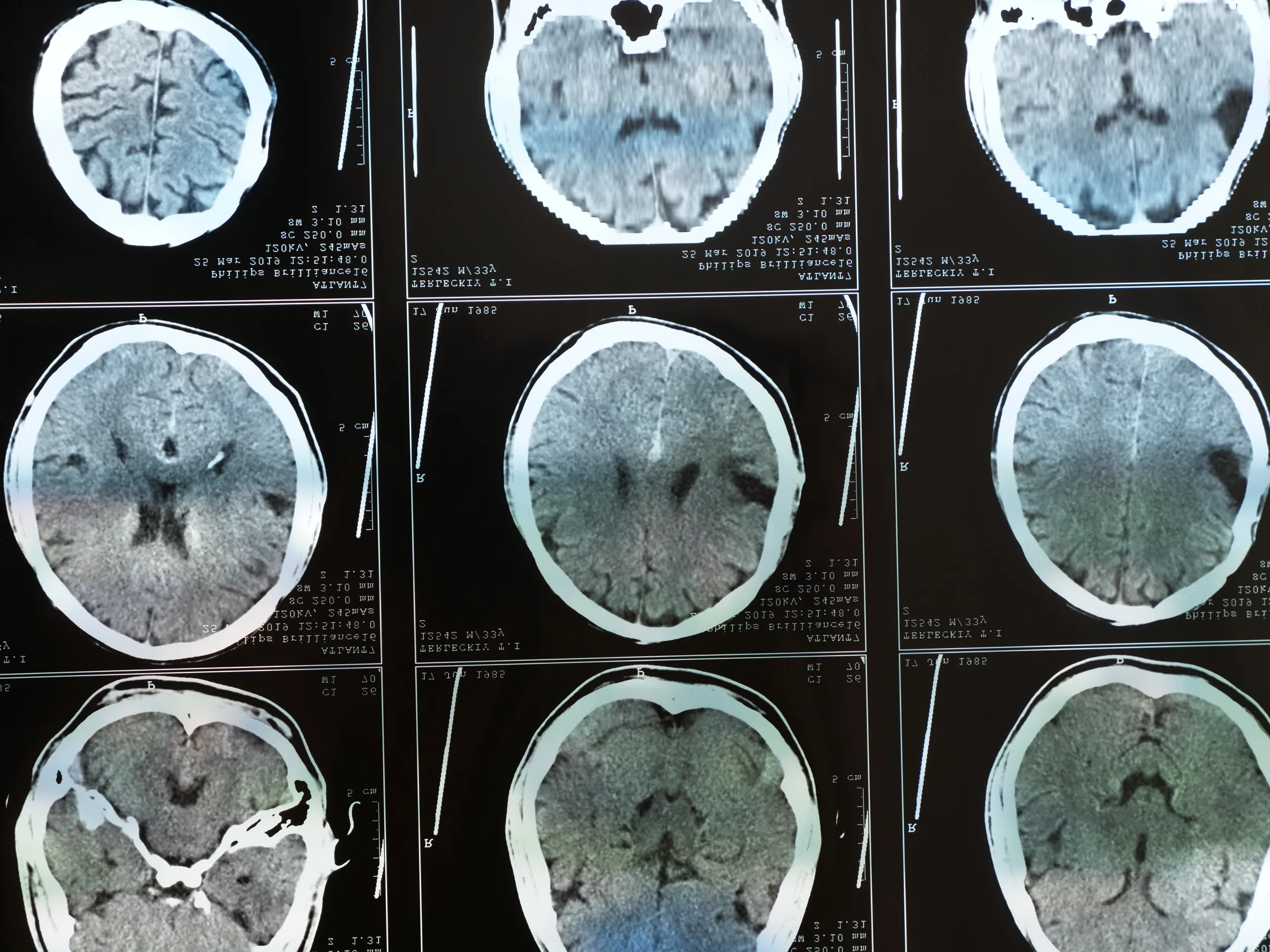
Magnetic Resonance Imaging (MRI) and Computed Tomography (CT) scans are designed to detect structural damage—like bleeding, fractures, or swelling. However, mild TBIs often involve microscopic injuries to neural pathways that don’t show up on these scans.Diffuse Axonal Injury: A Hidden Form of Damage
One of the most common issues in mild TBI is diffuse axonal injury (DAI), where tiny shears in nerve fibers disrupt communication between different parts of the brain. These injuries can cause significant cognitive dysfunction but often remain invisible on MRI scans.Functional vs. Structural Damage
Many mild TBIs result in functional or metabolic disruptions, meaning the brain may look normal on a scan but is not functioning normally. This mismatch is why so many patients hear, “You’re fine,” when they clearly are not.Medical Tools That Help Prove TBI Without Imaging
Neuropsychological Testing: The Gold Standard
Neuropsychological assessments measure brain function through a series of standardized tests. These tests evaluate memory, attention, processing speed, language, executive function, and more. Results can demonstrate cognitive deficits that align with symptoms and are widely accepted in legal cases.Functional MRI (fMRI) and EEG
Functional MRI (fMRI) shows how different parts of the brain activate during specific tasks. Although not always used in litigation, fMRI is growing in credibility as a supporting diagnostic. Quantitative EEG (QEEG) measures electrical activity in the brain and can highlight abnormalities in brainwaves. While not always standalone proof, these tools support the broader case that brain function has been impaired.Symptom Diaries and Functional Impact Statements
Patients are encouraged to document their symptoms daily, noting difficulties with tasks like remembering appointments, following conversations, or staying focused. Statements from family, friends, and coworkers who observe behavioral changes add critical third-party validation.How Legal Professionals Build a TBI Case Without MRI Evidence
Understanding the Burden of Proof
In a personal injury claim, the plaintiff must show that the injury occurred and caused measurable damage. MRI evidence is helpful—but not necessary. Courts are increasingly recognizing other forms of medical and testimonial evidence.The Role of Expert Witnesses
An expert witness, such as a neuropsychologist or neurologist, can explain:- Why the TBI is real even without imaging evidence
- How the test results validate the patient’s complaints
- What the long-term impact of the injury is likely to be
Establishing Functional Impairment in Daily Life
Lawyers will also gather evidence of how the injury has impacted the claimant’s ability to:- Work or hold a job
- Manage relationships
- Perform daily tasks independently
- Maintain emotional stability
Using Precedent to Strengthen the Case
Legal teams may refer to past cases where plaintiffs won TBI claims without imaging evidence. Demonstrating that other courts have ruled in favor of similar cases helps persuade judges and juries that invisible injuries are legitimate.Questions About Brain Injuries?GET A FREE CONSULTATION.
CALL NOW
215-774-5162
215-774-5162
A Step-by-Step Example: Proving TBI Without MRI
Imagine someone slips in a store and hits their head. They don’t lose consciousness, and the MRI in the ER shows nothing abnormal. But in the following days, they begin to feel foggy, forgetful, and emotionally volatile. Here’s how a lawyer might build their case:- Refer the client for a full neuropsychological evaluation.
- Collect symptom logs and behavioral changes from the client.
- Gather written statements from employers and family.
- Enlist a medical expert to explain the results and the injury’s impact.
- Present this combination of data and testimony to form a compelling narrative of injury and loss.
NOTABLE RESULTS
Broader personal-injury results reported by Fulginiti Law:
$38,000,000 jury verdict · $36,000,000 settlement · $28,000,000 settlement
Read more about these results
- $38,000,000 jury verdict: Fall from a Temple University roof. Case result source
- $36,000,000 settlement: School field-trip injury causing paralysis. Case result source
- $28,000,000 settlement: Child injured on unsafe property. Case result source
Prior results do not guarantee a similar outcome. Each case is different and must be evaluated on its own facts.
WHAT OUR CLIENTS SAY
General feedback about working with Fulginiti Law:
I appreciated Ken and his team for their professionalism. Once they bring you on, you never feel anything less than 100% confident.
— Marcus
Ken and his team took great care of me when I was in need.
— Rob Roberts
Professional Recognition
Published Writings by Ken Fulginiti
- The One Piece of Evidence Nobody Appreciated — Ken Fulginiti, The Legal Intelligencer (Law.com), June 25, 2026.
Broader personal injury reading by Ken Fulginiti:
- Working to Ensure Juries Can Fully Value the Claims of Injury Victims — Ken Fulginiti, The Legal Intelligencer, October 9, 2025.
- When Justice Is Delayed, Trauma Is Reopened — Ken Fulginiti, The Legal Intelligencer, August 21, 2025.
Frequently Asked Questions
Can I still file a personal injury lawsuit if my MRI shows no signs of brain injury? Yes, you can absolutely file a lawsuit even if your MRI results are normal. Many people suffering from mild traumatic brain injuries experience cognitive, emotional, and functional impairments that do not appear on traditional imaging. Courts increasingly recognize that MRI is only one tool and not a definitive measure of brain health. Neuropsychological evaluations, expert testimony, and detailed documentation of symptoms can all serve as valid and persuasive evidence in court. What kind of evidence can I use to prove cognitive impairment without imaging? If your scans are inconclusive or normal, you can rely on neuropsychological assessments, functional testing like fMRI or EEG, and detailed records of your symptoms and how they impact your daily life. Statements from family members, coworkers, and healthcare providers also help establish the scope and reality of your condition. Together, these elements can create a credible and legally compelling picture of your injury. Will insurance companies take my case seriously without MRI proof? Insurance companies often rely on imaging results to validate injury claims, so they may initially dispute or undervalue a case without MRI evidence. However, they are also aware that courts now accept a broader range of diagnostic tools. When your case includes strong medical evaluations, consistent records, and expert opinions, it can still carry substantial weight and pressure insurers to negotiate fairly. How long do I have to file a claim for a traumatic brain injury? The time you have to file, known as the statute of limitations, varies depending on the state or jurisdiction in which the injury occurred. In many places, you have between one and three years from the date of injury to initiate legal action. However, exceptions may apply, especially if symptoms weren’t immediately apparent. It’s important to consult with a personal injury attorney as soon as possible to ensure you don’t miss critical deadlines. Do I need a lawyer to pursue a TBI claim without MRI evidence? While it’s possible to begin the process alone, pursuing a brain injury claim without imaging proof is complex. Working with an experienced personal injury lawyer—particularly one who has handled invisible injury cases—greatly improves your chances of success. They can connect you with the right medical experts, organize evidence, and construct a legal argument that clearly conveys the legitimacy of your injury.Final Thoughts: Your Injury Is Real, Even If It’s Not on a Scan
Mild traumatic brain injuries may not show up on MRI, but their real-world impact is significant. From memory issues to emotional instability, these symptoms can change the course of someone’s life—and they deserve to be acknowledged. As awareness grows and courts continue to validate non-imaging forms of evidence, the stigma surrounding invisible brain injuries is slowly being dismantled. With proper documentation, medical support, and legal expertise, victims of mild TBI can successfully pursue justice.Contact Fulginiti Law Today
If you or someone you care about is struggling with cognitive issues following a head injury—but doctors or insurers have dismissed your case due to a “normal” scan—it’s time to take action. Speak with a personal injury attorney who specializes in brain injury litigation. An experienced lawyer will help you assemble the right experts, document your challenges, and pursue fair compensation. Your symptoms are real. Your injury matters. And you don’t have to go through this alone. Contact Fulginiti Law today and get the support you need to move forward.Related Practice Resources
Ready to Discuss Your Brain Injuries Case?GET A FREE CONSULTATION.
CALL NOW
215-774-5162
215-774-5162


Related Fulginiti Law Videos and Social Posts