Construction sites are inherently dangerous environments. With heavy machinery, moving parts, hazardous materials, and multiple contractors on site, the risk of injury is high.
Most construction workers injured on the job assume that workers’ compensation is their only option. But in many cases, it’s not the only path — or the most complete. If another party — such as a subcontractor, equipment manufacturer, or property owner — played a role in your accident, you may have the right to sue outside of workers’ compensation.
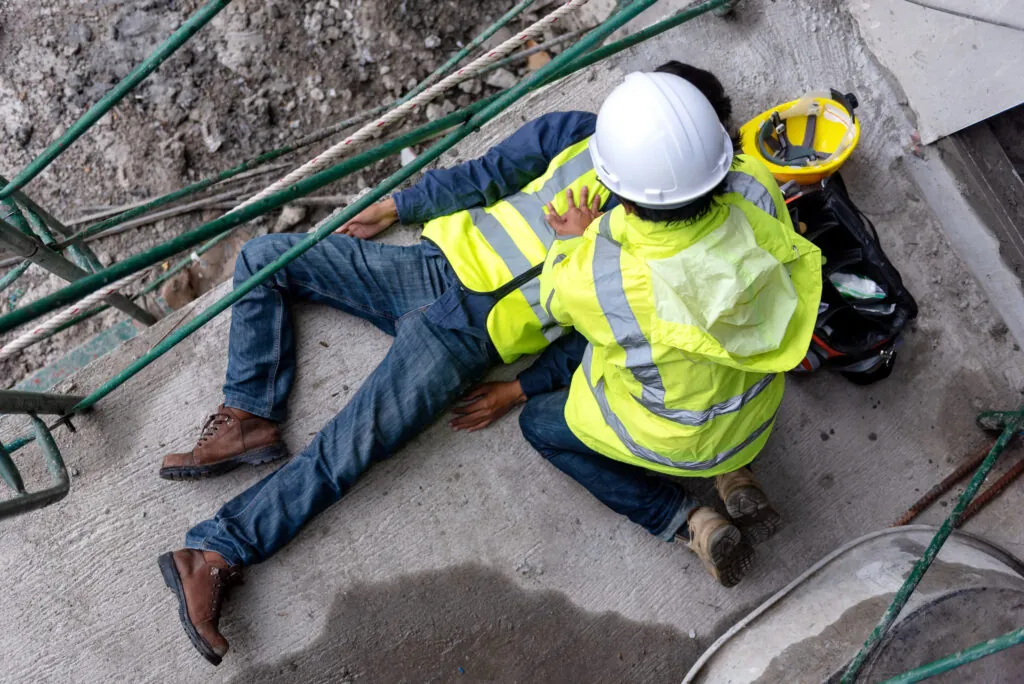
This guide explains how and when you can pursue a personal injury lawsuit for a construction injury, even if you’ve already received or applied for workers’ compensation.
Understanding Workers’ Compensation
What Is Workers’ Compensation?
Workers’ compensation is an insurance system that provides benefits to employees who are injured while performing job-related duties. In construction, this often applies to injuries from falls, machinery accidents, or structural collapses.
What Does It Cover?
Workers’ compensation typically covers medical treatment, partial wage replacement, rehabilitation, and disability benefits for injured workers. These benefits are provided regardless of who was at fault.
What It Doesn’t Cover
Workers’ compensation does not cover damages for pain and suffering, emotional distress, or the full scope of lost wages if you’re permanently unable to work. These types of damages are only available through a personal injury lawsuit.
Are You Eligible for Workers’ Compensation?
Employee vs. Independent Contractor
To qualify, you must be legally classified as an employee. Independent contractors typically aren’t covered, although this distinction is sometimes misused by employers to avoid paying benefits.
Time Limits and Requirements
You must report your injury promptly and file a claim within your state’s legally mandated time frame. Delays in reporting or filing can jeopardize your claim.
Why Workers’ Compensation Claims Are Denied
Common Reasons for Denial
Many claims are denied due to late reporting, disputes over how the injury happened, lack of medical evidence, or issues with employment classification.
What to Do if Your Claim Is Denied
If your claim is denied, you may appeal the decision. Additionally, a denied claim may signal that third-party negligence played a role — opening the door to a lawsuit.
When You Can Sue Outside of Workers’ Compensation
What Is a Third-Party Claim?
A third-party claim is a personal injury lawsuit filed against someone other than your employer who contributed to your injury.
Situations Where a Lawsuit May Apply
You may have grounds to sue if:
- A subcontractor from another company caused the accident
- A property owner failed to maintain safe conditions
- A delivery driver or outside vendor was involved
- Equipment or tools were defective
- Another company’s employee created a hazard
Suing and Getting Workers’ Compensation Simultaneously
You can file a lawsuit against a third party while still receiving workers’ compensation. These cases are separate and do not cancel each other out.
Damages Available in a Personal Injury Lawsuit
Full Compensation for Economic Losses
A third-party lawsuit may allow you to recover:
- All medical costs (current and future)
- Full lost wages (not just a portion)
- Loss of future earning capacity
- Property damage, if applicable
Compensation for Pain and Suffering
You can also pursue non-economic damages, including:
- Physical pain and emotional suffering
- Mental anguish
- Loss of enjoyment of life
- Disfigurement or permanent disability
Punitive Damages in Severe Cases
In rare cases involving gross negligence or willful misconduct, courts may award punitive damages to punish the responsible party and deter similar actions in the future.
Who Qualifies as a Third Party?
Common Third Parties on Construction Sites
A third party is anyone other than your employer who contributed to the unsafe condition. Examples include:
- Subcontractors working for other companies
- General contractors managing the site
- Equipment manufacturers
- Property owners or developers
- Engineers, architects, or inspectors
- Delivery drivers or outside vendors
Example Scenario
If you’re injured because another subcontractor failed to secure scaffolding and it collapsed, that subcontractor — or their company — could be held liable in a personal injury claim.
Suing If You’re Not Employed by the Site Owner
Rights of Temp Workers and Contractors
You don’t need to be employed by the general contractor or site owner to pursue a lawsuit. If you’re injured due to someone else’s negligence, you have the right to seek compensation — regardless of your employment status.
Legal Strategy for Non-Employees
Being a non-employee can actually make third-party lawsuits easier to pursue, because your legal separation from the party responsible is often clearer.
Can You Sue Your Employer?
The Exclusive Remedy Rule
In most cases, you cannot sue your employer for a work-related injury if they provide workers’ compensation. This is known as the exclusive remedy rule.
Exceptions to the Rule
You may sue your employer only if:
- They intentionally caused your injury
- They do not carry workers’ compensation insurance
- Their actions were grossly negligent or illegal
How OSHA Violations Support a Lawsuit
What Is OSHA?
The Occupational Safety and Health Administration (OSHA) sets safety standards for workplaces, especially high-risk industries like construction.
Using OSHA Citations in Your Case
If an OSHA violation contributed to your injury — such as lack of fall protection or improperly maintained equipment — it can serve as powerful evidence in your third-party lawsuit.
While you cannot sue based on an OSHA violation alone, a documented safety violation strengthens your argument that the responsible party was negligent.
Filing a Lawsuit While Receiving Workers’ Compensation
Is It Allowed?
Yes. Workers’ compensation and third-party lawsuits are separate legal tracks. You can pursue both at the same time.
What Is Subrogation?
If you recover money in a lawsuit, your workers’ compensation insurer may require reimbursement for benefits they paid you. This is called subrogation.
How to Maximize Your Recovery
An experienced attorney can often negotiate down the reimbursement amount, ensuring you keep as much of your settlement or award as possible.
When a Lawsuit Is the Better Option
Situations That Warrant Legal Action
You should strongly consider a third-party lawsuit if:
- You’ve suffered a permanent disability
- You’re unable to return to your previous job
- You’ve experienced significant pain or trauma
- The injury involved faulty equipment or safety violations
Why Workers’ Compensation Isn’t Enough
Workers’ compensation may pay for medical care and partial wages, but it rarely reflects the full financial and emotional impact of a serious injury.
What to Do Immediately After a Construction Site Injury
1. Report the Injury
Notify your supervisor or site manager as soon as possible. Delaying a report could hurt both your workers’ compensation and legal claims.
2. Seek Medical Attention
Even if the injury seems minor, get evaluated by a medical professional. Medical records are critical in both insurance and legal proceedings.
3. Document the Scene
If possible, take photos of the injury site, the condition that caused it, and any equipment involved. Also collect names of any witnesses.
4. Preserve Evidence
Keep your work clothes, tools, or any items damaged during the incident. These may be needed to prove your case.
5. File for Workers’ Compensation
Begin the claim process promptly to avoid delays or denials. Maintain copies of everything you submit.
6. Contact an Attorney
Before giving recorded statements or signing paperwork, consult a construction accident lawyer. They can help identify third-party liability and advise you on your best legal strategy.
Frequently Asked Questions
Can I sue for a construction injury if I already filed a workers’ compensation claim?
Yes, you can. Filing a workers’ compensation claim does not prevent you from also pursuing a lawsuit if a third party, such as a subcontractor, equipment manufacturer, or property owner, contributed to your injury. These are considered separate legal paths. While workers’ compensation provides basic benefits like medical care and wage replacement, a third-party lawsuit can help you recover for pain, suffering, and other losses not covered by workers’ compensation.
What’s the difference between a workers’ compensation claim and a personal injury lawsuit?
A workers’ compensation claim is a no-fault process where you receive benefits through your employer’s insurance, regardless of who caused the accident. It typically covers medical bills and partial lost wages but does not allow for pain and suffering damages. A personal injury lawsuit, on the other hand, requires proving negligence on the part of another person or company. If successful, it can provide a much broader range of compensation, including full lost income, emotional distress, and long-term disability.
Can I sue my employer for negligence if I’m hurt on a construction site?
In most cases, no. The law in most states says workers’ compensation is the “exclusive remedy” for injuries caused by your employer’s negligence. This means you typically cannot file a lawsuit against your employer if they provide workers’ compensation coverage. However, there are rare exceptions, such as if the employer intentionally caused your injury or failed to carry proper insurance. In those cases, a lawsuit may be possible.
What if my injury was caused by someone who doesn’t work for my company?
If someone who is not your employer — such as a subcontractor, vendor, or delivery driver — played a role in causing your injury, you may have a valid third-party claim. Construction sites often involve multiple companies working side by side, and safety failures by one party can harm workers from another. In these situations, you have the right to file a personal injury lawsuit against that third party while still receiving workers’ compensation benefits.
Can I recover both workers’ compensation and a lawsuit settlement at the same time?
Yes, but with conditions. If you pursue both workers’ compensation and a third-party lawsuit, you may be required to reimburse the workers’ compensation insurer for some of the benefits they paid you. This process is called subrogation. While it may reduce your total settlement somewhat, a personal injury claim can still result in significantly more compensation overall. A skilled attorney can help negotiate this reimbursement to protect your financial interests.
Contact Fulginiti Law Today
Construction site injuries can leave you with long-term health issues, lost wages, and mounting medical bills. While workers’ compensation can help cover immediate costs, it rarely offers full financial relief — especially in cases involving permanent disability, emotional trauma, or third-party negligence.
If someone other than your employer caused your injury, you may be entitled to far more than what workers’ compensation alone can offer. An experienced construction accident lawyer can review your case, uncover who’s truly responsible, and help you pursue full and fair compensation.
For more on construction safety standards, read Ken Fulginiti’s analysis on why OSHA compliance is only the minimum standard for contractor safety.
Don’t wait. Contact Fulginiti Law today to explore your options.