Truck accidents in adverse weather conditions raise many legal questions. Snow, ice, rain, fog, and high winds make driving dangerous, but does that mean truck drivers and trucking companies are not responsible for accidents?
Determining liability in weather-related truck crashes involves assessing driver actions, trucking company policies, road maintenance conditions, and whether the accident was preventable. This guide explores the legal considerations surrounding weather-related truck accidents and the steps accident victims can take.

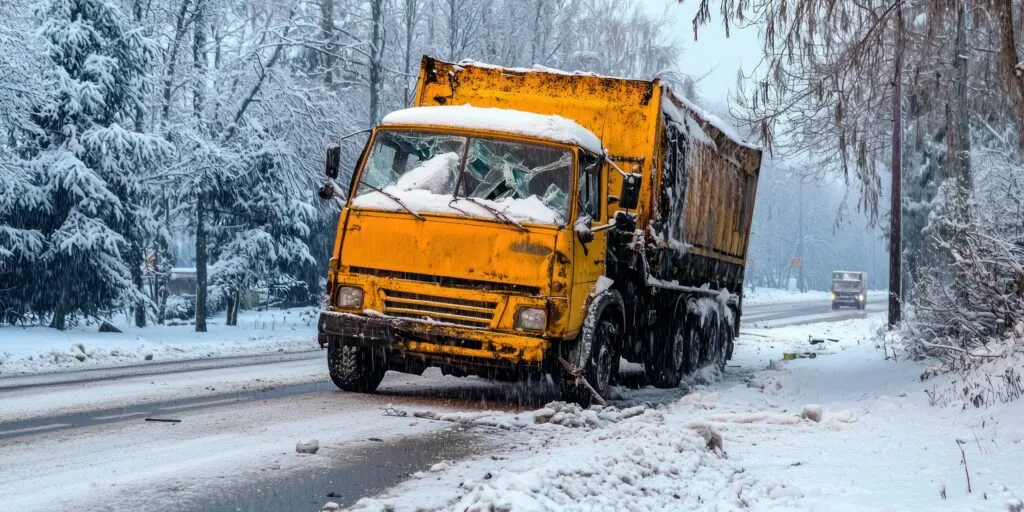
Understanding Liability in Weather-Related Truck Accidents
What Does Liability Mean in a Truck Accident?
Liability is the legal responsibility for damages caused by an accident. In truck accidents, liability can fall on multiple parties, including the truck driver, trucking company, government agencies, or even other drivers. When adverse weather conditions contribute to an accident, proving liability becomes more complex. Insurance companies and courts must determine if the crash was truly unavoidable or if negligence played a role.How Do Courts Determine Fault in Poor Weather?
Courts analyze several factors when determining fault in weather-related truck accidents:- Was the truck driver following safety protocols? Truck drivers must take extra precautions in dangerous weather.
- Did the trucking company impose unsafe deadlines? If a company forces a driver to meet unrealistic delivery schedules despite hazardous weather, it could be held liable.
- Were the roads properly maintained? If a government agency failed to salt icy roads or repair dangerous conditions, liability may extend beyond the driver.
- Was the accident truly unavoidable? If reasonable safety measures could have prevented the crash, negligence may be a factor.
How Weather Conditions Affect Truck Accidents
Snow and Ice-Related Truck Crashes Icy and snowy conditions make roads extremely slippery. Large trucks require more time to stop, and black ice can be nearly invisible, making sudden loss of control a real danger. If a truck driver does not adjust their speed or braking distance for snowy roads, they could be found negligent. Trucking companies must also ensure that their vehicles are equipped with proper winter tires and snow chains. Rain-Induced Hydroplaning Accidents Heavy rain increases the risk of hydroplaning, where a truck loses traction due to a thin layer of water between the tires and the road. If a truck is traveling too fast, has worn-out tires, or the road is poorly maintained, the likelihood of a crash increases. Drivers should reduce speed, avoid sudden braking, and ensure their tires are properly inflated to minimize hydroplaning risks. Fog and Reduced Visibility Hazards Thick fog creates dangerous driving conditions by significantly reducing visibility. Truck drivers may not see vehicles ahead of them, brake lights become less visible, and sudden stops can lead to multi-vehicle pileups. To drive safely in fog, truckers must use their headlights, reduce speed, and maintain a greater distance from other vehicles. If they fail to do so, they could be held responsible for an accident. Wind-Related Truck Crashes Strong winds can make it difficult for truck drivers to maintain control. High-profile vehicles, such as semi-trucks and trailers, are especially vulnerable to tipping over in crosswinds. Truckers must be trained to handle windy conditions, and companies should avoid scheduling routes through high-risk areas during severe windstorms.Legal Considerations in Weather-Related Truck Crashes
The Duty of Care for Truck Drivers in Bad Weather Truck drivers have a legal obligation to operate their vehicles safely in all conditions. This includes:- Slowing down in poor weather
- Increasing following distance
- Using hazard lights when necessary
- Pulling over when conditions become too dangerous
Who Can Be Held Liable for a Truck Accident in Bad Weather?
Truck Driver Responsibility in Poor Weather Truck drivers are expected to adjust their driving to match weather conditions. If they fail to reduce speed, increase braking distance, or pull over when necessary, they may be considered negligent. Courts and insurance companies examine whether the driver took all necessary precautions before the accident. Trucking Company Liability for Weather-Related Accidents Trucking companies can also be held responsible if they:- Fail to properly train drivers on handling bad weather
- Set unrealistic delivery deadlines that force drivers to take risks
- Neglect vehicle maintenance, leading to mechanical failures
- Government agencies may be responsible if they failed to properly salt roads or clear dangerous ice.
- Manufacturers may be at fault if defective truck parts contributed to the crash.
- Other drivers can be held accountable if their reckless actions forced the truck into an accident.
How to Prove Fault in a Weather-Related Truck Accident
Key Evidence Needed to Establish Liability To prove fault in a truck accident, victims should collect strong evidence, including:- Police reports detailing road and weather conditions
- Weather reports confirming hazardous conditions at the time of the crash
- Witness statements supporting claims of driver negligence
- Dashcam footage capturing the accident
- Truck black box data showing speed, braking, and steering movements
What to Do After a Truck Accident in Poor Weather
Immediate Steps to Take If you are involved in a truck accident in poor weather, follow these steps:- Seek medical attention immediately, even if injuries seem minor.
- Call the police to file an official accident report.
- Document the accident scene by taking photos of the vehicles, road conditions, and any injuries.
- Gather witness contact information if anyone saw the accident.
- Do not admit fault at the scene, as liability will be determined later.
- Contact your insurance company and report the accident.
- Consult a truck accident lawyer to discuss your legal rights.
- Medical expenses
- Lost wages
- Pain and suffering
- Vehicle repair costs
- Wrongful death claims (if a loved one was killed)