Accidents involving commercial trucks are among the most severe on the road. When these crashes are caused not by driver error, but by mechanical failures, the consequences are both devastating and preventable. In such cases, victims may have grounds to sue the truck manufacturer or parts supplier. This comprehensive guide walks you through the legal process, your rights, and how to pursue compensation effectively.
What Is a Defective Truck Part?
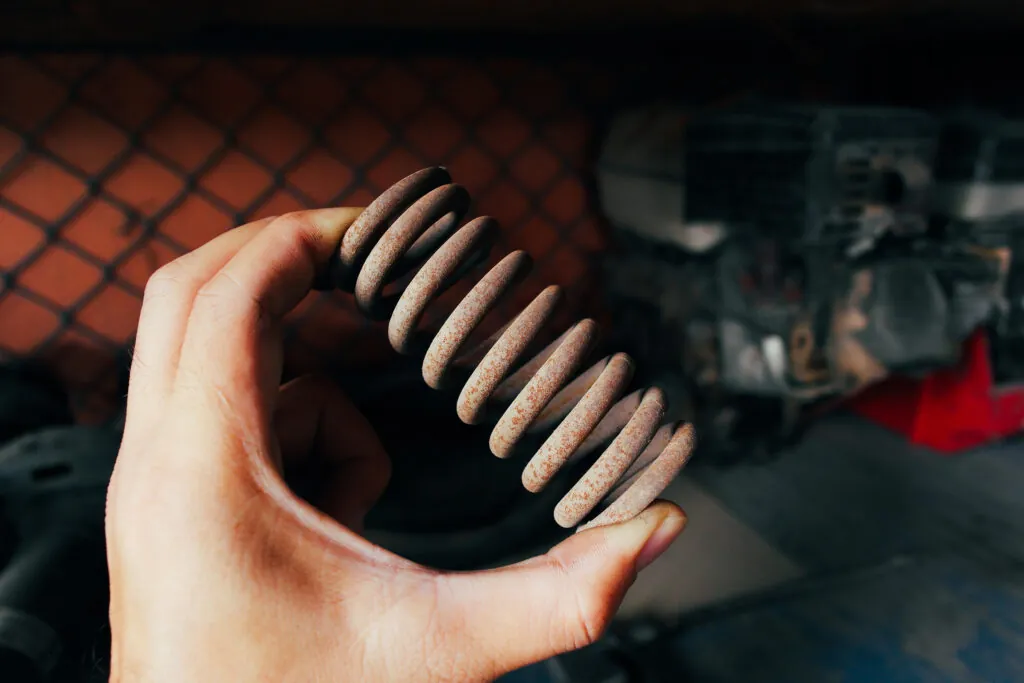
A defective truck part refers to any component that fails to function as intended, either because it was improperly designed, poorly manufactured, or inadequately maintained. In large commercial vehicles, even minor defects can lead to catastrophic outcomes.
Examples of Common Defective Truck Parts
- Brakes that fail or lock unexpectedly
- Steering systems that jam or malfunction
- Tires prone to blowouts due to poor materials
- Axles that crack or dislodge under normal pressure
- Engines that stall or overheat due to design flaws
Each of these failures can lead to high-speed crashes, rollovers, or jackknife accidents.
Who Can Be Held Liable for a Defective Truck Part?
The Role of the Truck Manufacturer (OEM)
The Original Equipment Manufacturer (OEM) is often the primary defendant in truck defect lawsuits. They are responsible for ensuring that each part in their vehicle meets safety standards.
Other Potentially Liable Parties
- Parts Suppliers who manufacture individual components
- Distributors or Dealerships who sell faulty vehicles
- Maintenance Providers who fail to detect or repair known issues
A thorough legal investigation will determine who was negligent or failed to act appropriately.
What Is Product Liability?
Product liability is a legal concept that holds manufacturers and sellers responsible when a defective product causes injury. This area of law is particularly important in cases involving motor vehicles, as even a minor defect can endanger multiple lives.
Strict Liability vs. Negligence
- Strict Liability allows you to sue without proving intent or negligence. You only need to show the product was defective and caused harm.
- Negligence Claims require proof that the manufacturer failed to act with reasonable care in design, production, or communication.
Combining both approaches often strengthens your case.
Types of Product Defects in Truck Cases
1. Design Defects
These defects exist from the blueprint stage. Even if the part was built correctly, it is inherently dangerous due to its flawed design.
2. Manufacturing Defects
Here, the design is sound, but errors occur during assembly. An improperly welded brake line or a cracked steering shaft would fall into this category.
3. Marketing Defects (Failure to Warn)
A manufacturer may also be liable for failing to provide adequate instructions or warnings. If a known defect was not disclosed, or safety precautions were omitted, this forms the basis of a marketing defect claim.
Steps to Take After a Truck Accident Involving a Defect
1. Get Immediate Medical Attention
Seek treatment for any injuries immediately, even if they seem minor. Prompt care not only protects your health but also creates a documented link between the accident and your condition.
2. Preserve the Defective Part
Do not allow the vehicle or its parts to be altered or disposed of. Store the defective component securely so it can be examined later by experts.
3. Document the Accident Scene
Take clear photographs and videos of the truck, crash scene, and any visible damage. Obtain police reports and witness statements if available.
4. Maintain Comprehensive Records
Keep detailed records, including:
- Medical reports
- Truck maintenance logs
- Communication with insurers
- Recall notices, if applicable
- Lost wage documentation
5. Contact an Attorney
Truck defect cases are highly technical. An experienced attorney can coordinate with engineers and investigators to build a strong case.
What Damages Can You Recover?
Economic Damages
These cover direct financial losses, such as:
- Hospital bills
- Surgical costs
- Physical therapy
- Lost income
- Property repair or replacement
Non-Economic Damages
You may also be entitled to compensation for:
- Pain and suffering
- Emotional distress
- Loss of enjoyment of life
- Permanent disability
Punitive Damages
In cases involving reckless or intentional misconduct—such as knowingly selling defective parts—courts may award punitive damages to punish the wrongdoer and deter future negligence.
Real-Life Legal Outcomes
Truck defect cases have led to multi-million dollar settlements and jury verdicts. For instance, one victim won a case against a major OEM after a faulty braking system led to a fatal crash. Another case involved a steering column defect that was traced back to a batch of faulty materials, resulting in a large payout for the injured driver.
These examples demonstrate that, with the right legal team and solid evidence, victims can successfully hold manufacturers accountable.
Frequently Asked Questions
Can I sue a truck manufacturer if the defect wasn’t discovered until after the accident?
Yes, you can still file a lawsuit even if the defect was only discovered during the post-accident investigation. Many truck part defects are not immediately obvious and may only be identified by expert analysis after the crash. As long as you can prove that the defect existed and directly caused your injuries, you may have a valid product liability claim.
Do I need to prove the manufacturer was negligent to win my case?
Not necessarily. Under the legal doctrine of strict liability, you don’t need to prove negligence. You only need to show that the part was defective, that it was used as intended, and that the defect caused your injuries. However, if there is evidence the manufacturer knew about the defect and ignored it, proving negligence or willful misconduct can increase the damages you may recover.
What happens if the defective truck part was part of a nationwide recall?
If the part was recalled before your accident and you were never informed or the manufacturer failed to address the recall, your case becomes significantly stronger. A recall can serve as evidence that the manufacturer was aware of the problem, which can support both strict liability and negligence claims. If the recall came after your accident, it may still help prove that a defect existed.
Can I still sue if I was partly at fault for the accident?
In many cases, yes. Depending on your state’s comparative negligence laws, you may still recover damages even if you were partially responsible. Your compensation may be reduced by your percentage of fault, but you’re not automatically barred from recovery unless your responsibility exceeds the legal threshold in your jurisdiction.
How long does a truck defect lawsuit take to resolve?
The duration varies widely. Simple claims that settle quickly may resolve in a few months, while complex cases involving extensive investigations, expert testimony, and multiple defendants may take several years. Most lawsuits go through phases of investigation, negotiation, and, if necessary, trial. Your attorney can provide a more specific estimate based on the details of your case.
Final Thoughts: Protecting Your Rights
If you’ve been injured in a truck accident and believe a defective part was involved, it’s vital to act quickly. These cases rely heavily on expert analysis and technical evidence, so preserving every detail is crucial. Manufacturers are protected by legal teams and insurance companies, but the law provides a path for victims to secure justice.
By following the steps outlined above, you can build a strong case and improve your chances of obtaining fair compensation.
Contact Fulginiti Law Today
Don’t navigate this process alone. Contact Fulginiti Law today to evaluate your claim, preserve evidence, and pursue the compensation you deserve. Your future may depend on it—and justice begins with the first conversation.